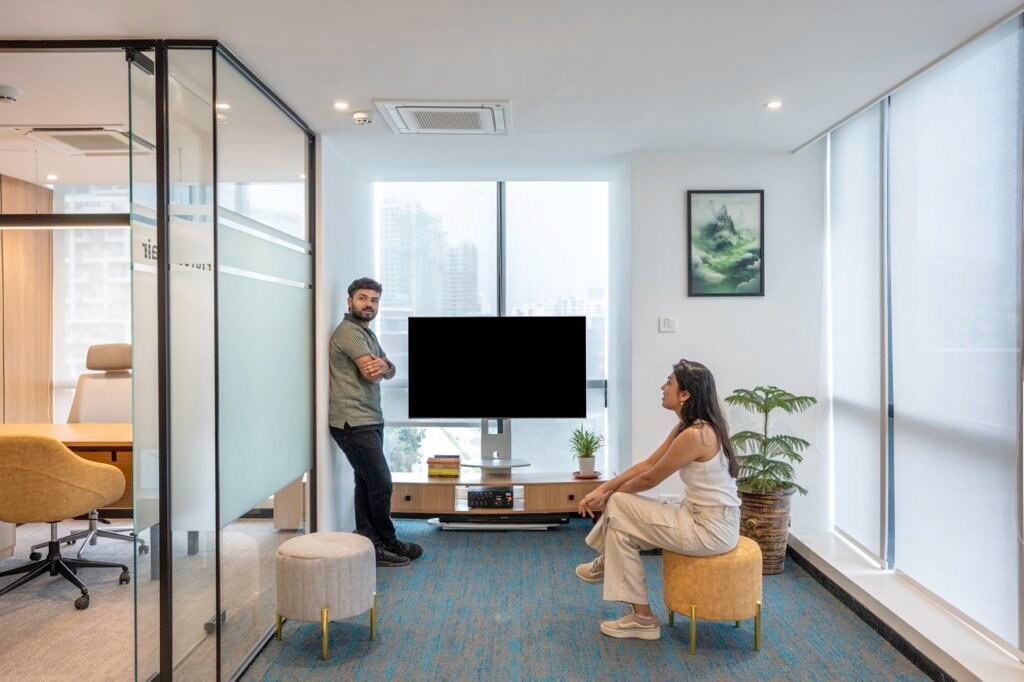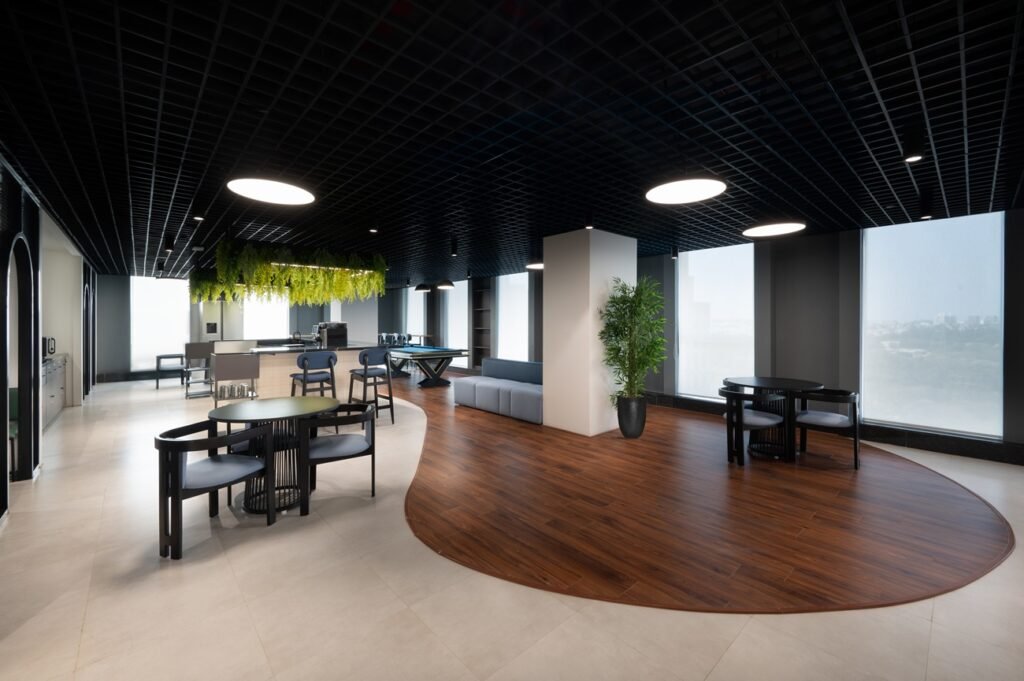


Replacing an employee costs a business between half and twice that person’s annual salary once recruiting, onboarding, and lost productivity are counted. Yet most retention strategies stop at compensation and management training—and overlook the environment where people spend a third of their waking lives. The modern workplace challenge is not simply attracting talent; it is giving that talent a reason to stay. And one of the most underused levers a company controls is the office itself.
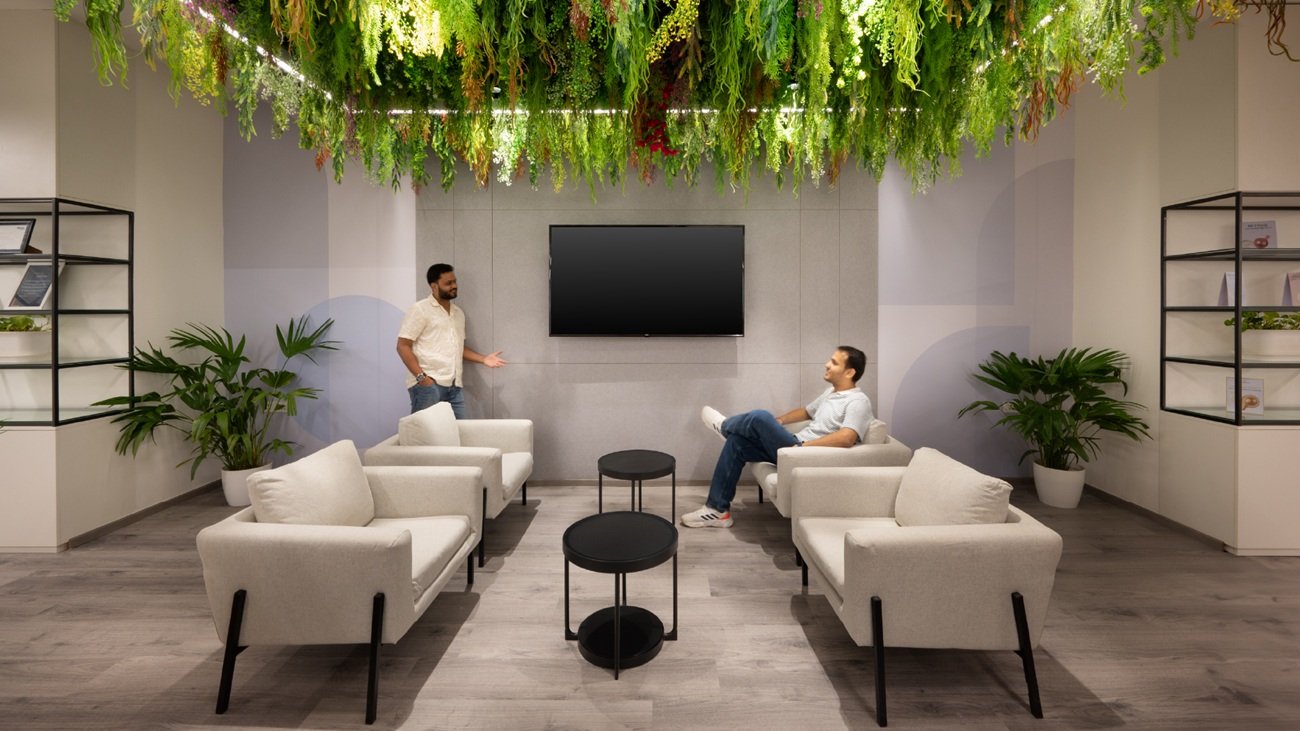
Thoughtful office design does more than house a workforce. It signals how much an organization values its people, shapes daily experience, and directly influences whether employees feel supported or depleted. For corporate real estate managers, business owners, and developers, the office space is a retention tool hiding in plain sight. This article breaks down how deliberate, data-backed office design reduces attrition—and where to focus investment for measurable return.
Design for Belonging: Make Culture Visible
People stay where they feel they belong. Belonging is not produced by a mission statement on the wall; it is produced by an environment that reflects who a team is and how it works. When the office space embodies a company’s identity, employees read it as evidence that they are part of something intentional.
To design for belonging, prioritize:
- Spaces that express identity. Materials, layout, and branding should reflect the actual culture, not a generic corporate template. We unpack this in Culture Is Designed Through Office Design.
- Varied settings for varied people. A single open plan serves no one well. Introverts and extroverts, focused and collaborative work, all need dedicated zones.
- Neutral ground for connection. Shared kitchens, lounges, and informal meeting areas create the unplanned interactions that build relationships and loyalty.
- Consistency between message and space. If leadership talks about collaboration but provides no room for it, employees notice the gap.
An office that feels considered tells people they are valued. That perception is the foundation of retention.
Treat Well-Being as a Retention Strategy, Not a Perk
Burnout is one of the leading drivers of voluntary attrition, and the physical environment is a measurable contributor. Noise, poor lighting, and the absence of restorative space quietly erode focus and energy until leaving feels like relief. The evidence connecting environmental quality to well-being is now strong enough to treat as a business input, not a nicety.
Focus your investment where the data is clearest:
- Acoustic comfort. Uncontrolled noise is the most common complaint in open offices and a genuine source of daily stress. We address the fix in Still on Mute? Your Office Acoustics Might Be the Problem and The Sound of Productivity.
- Healthy lighting. Access to daylight and well-tuned artificial light supports alertness, mood, and sleep quality, as we examine in Look Up: Lighting Is Changing How We Work.
- Space to recover. Sustained performance requires rest. Quiet rooms and decompression zones protect against burnout, a point argued in Why Focus Begins With Recovery.
- Air, ergonomics, and movement. Comfortable temperature, good air quality, and adjustable furniture reduce the physical friction that accumulates into fatigue.
When people feel physically supported through the workday, they have far less reason to look elsewhere.
Signal Investment in People Through Experience
Employees interpret their surroundings as a measure of how the company sees them. A cramped, utilitarian office space communicates that people are a cost to be minimized. A well-crafted one communicates that they are an asset worth investing in—and that message directly affects whether they stay.
Elevate the everyday experience by considering:
- Hospitality-grade environments. The most retentive workplaces borrow comfort and service cues from hotels, a shift we explore in The Hotelification of the Workplace.
- Autonomy and choice. Offering employees a range of settings—focus, social, collaborative—lets them work how they work best, which builds ownership over their day.
- Efficient, generous planning. Spatial efficiency is not about squeezing people in; it is about eliminating waste so that space can be reinvested in experience, a principle covered in Doing More With Less in Workplace Design.
- Quality that lasts. Durable, well-detailed finishes age gracefully and continue to signal care years after move-in.
Experience is cumulative. Small daily frustrations push people out; small daily pleasures keep them.
Give People a Reason to Choose the Office
In a hybrid era, retention increasingly depends on whether employees want to be present. An office that offers nothing their home cannot loses its pull—and with it, the connection and mentorship that keep teams cohesive. The goal is a workplace worth the commute.
Build that pull deliberately:
- Energizing, social spaces. Environments that make work enjoyable measurably lift engagement, as we discuss in Why Fun at Work Drives Better Performance.
- Room for human connection. As routine tasks automate, the office’s real value is the collaboration machines cannot replicate—explored in In an AI World, What Makes Work Human?.
- Purpose-built collaboration zones. Give teams places designed for the work that is best done together, not repurposed leftover space.
- A destination, not an obligation. When the office is the best place to do great work, attendance and loyalty follow without mandates.
A compelling workplace turns presence into a choice—and choice into commitment.
The Takeaway
Employee retention is not won by compensation alone. It is reinforced every day by the environment your teams occupy. An office designed for belonging, well-being, experience, and genuine connection reduces the friction that pushes people out and builds the loyalty that keeps them. Treated strategically, office design is one of the most cost-effective retention investments a business can make—because it works quietly, continuously, and for the full length of your lease.
At Studio AsA, we design commercial interiors grounded in research, spatial efficiency, and the measurable well-being of the people who use them. If you want a workplace that helps you keep your best talent, we would welcome the conversation. Contact Studio AsA to schedule a design consultation and start building an office your team chooses to stay in.