

Artificial intelligence is rapidly transforming how we work. Tasks that once consumed hours can now be completed in minutes. Meetings are summarized automatically, data is analyzed instantly, and content can be generated with a simple prompt.
As AI becomes increasingly capable, organizations are beginning to ask a different question. Not what technology can do, but what people should do.
This shift has significant implications for the workplace.
For decades, offices were designed around efficiency. Teams needed physical proximity to exchange information, access resources, and collaborate. Today, technology can facilitate many of these functions from almost anywhere. As a result, the value of the office is defined by access to people.
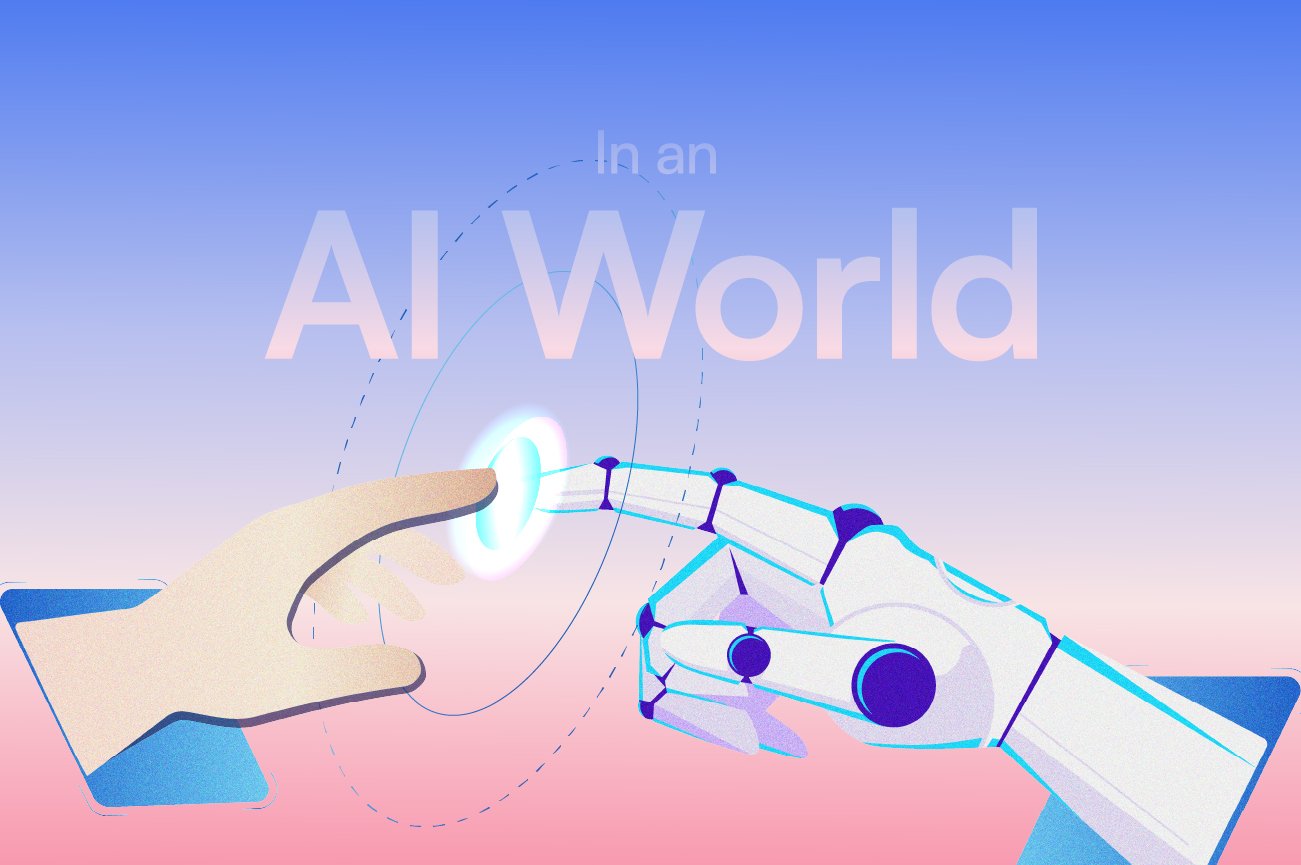
In an AI-driven world, the most valuable human skills are becoming the hardest to automate: creativity, empathy, critical thinking, mentorship, trust-building, and collective problem-solving. These are not activities that happen through software alone. They thrive in environments intentionally designed to support human interaction.
The future workplace is therefore not becoming less important. It is becoming more human.
Beyond Productivity
For years, workplace conversations have centered on productivity metrics. While efficiency remains important, organizations are increasingly recognizing that innovation often emerges from moments that cannot be measured easily.
A spontaneous conversation between colleagues. A sketch shared across a table. A mentoring discussion after a meeting. A cross-functional team gathering to solve a complex challenge. These interactions build social capital, strengthen culture, and create opportunities for new ideas to emerge.
AI can accelerate processes, but it cannot replace the human relationships that drive meaningful collaboration.
This is why workplace design must move beyond supporting individual tasks and begin prioritizing collective experiences. Spaces should encourage connection, dialogue, and shared learning while still providing areas for focused work when needed.
Designing for Human Connection
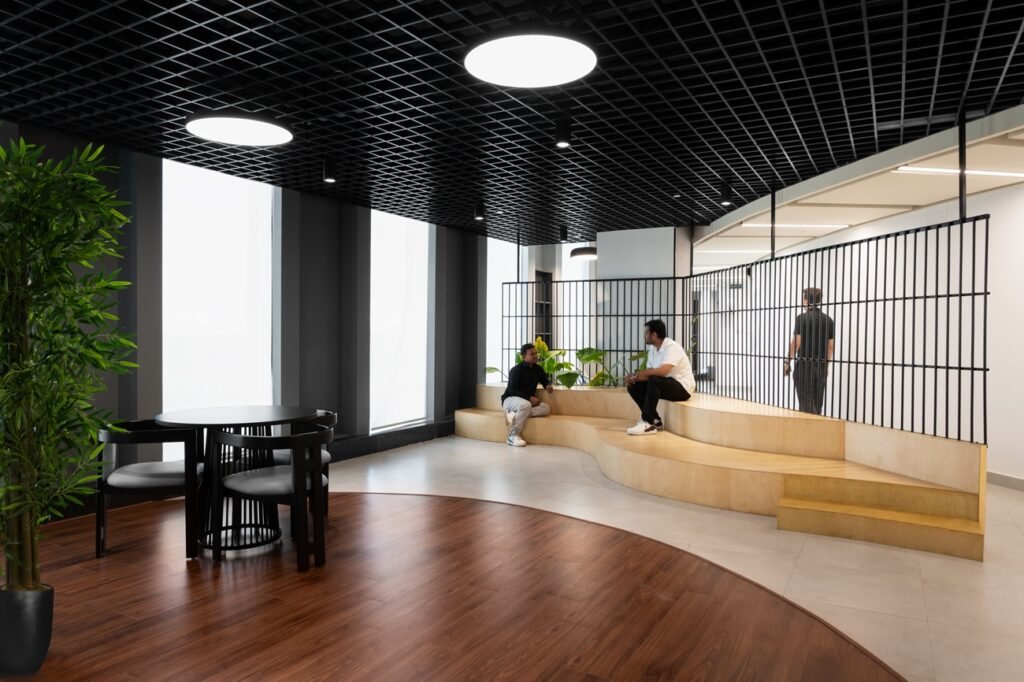
One of the greatest opportunities in workplace design today is creating environments that bring people together intentionally. Collaboration hubs, informal meeting zones, social spaces, project rooms, and community-focused amenities help create opportunities for employees to connect throughout the day.
These spaces do more than improve communication. They strengthen organizational culture.
When employees feel connected to their colleagues and aligned with a shared purpose, engagement improves naturally. The workplace becomes more than a destination for completing tasks; it becomes a platform for building relationships.
This approach aligns closely with themes explored in our blog on how workplace experience matters more the workplace design
The Role of Choice and Flexibility
Human centered workplaces recognize that no two employees work exactly the same way.
While collaboration is essential, focused individual work remains equally important. The most effective environments, therefore, offer a variety of settings that allow employees to choose where and how they work.
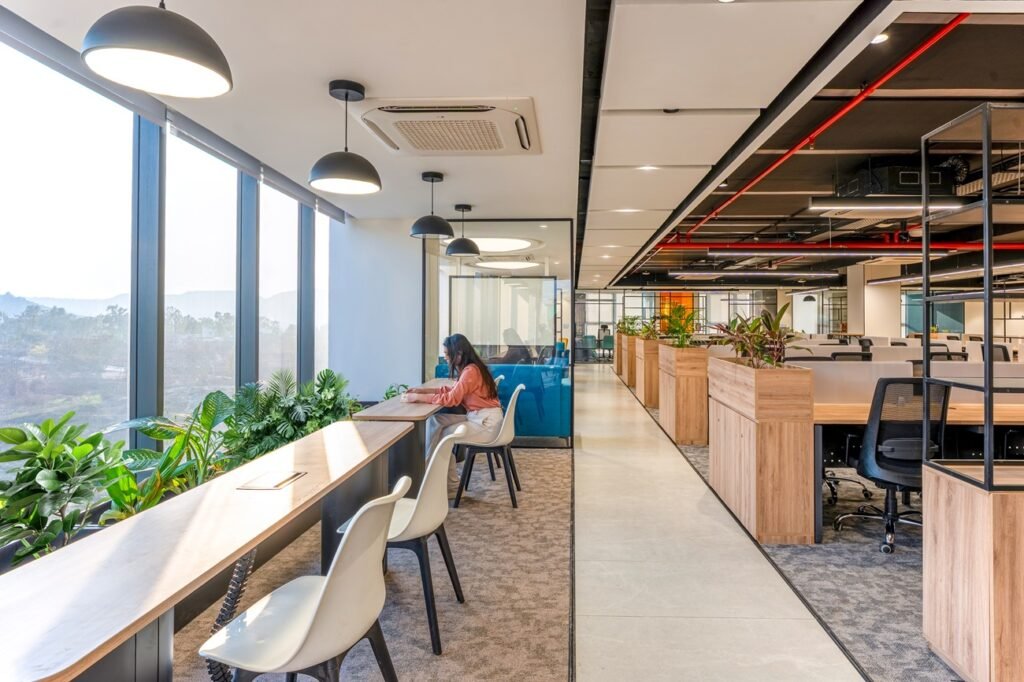
Quiet zones support concentration. Open collaborative areas encourage teamwork. Informal lounges enable social interaction. Flexible meeting spaces accommodate different project needs.
Flexible office designs give people greater control over their work experience, which has been consistently linked to higher satisfaction and performance.
Designing for Wellbeing in a Digital Age
As digital tools become more embedded in everyday work, the physical environment plays an increasingly important role in supporting employee wellbeing. Natural daylight, indoor greenery, thermal comfort, acoustic control, and access to restorative spaces all contribute to healthier work environments. These influence how people feel, think, and perform throughout the day.
Research consistently shows that environments supporting physical and mental well-being contribute to improved engagement, reduced stress, and stronger employee retention.
In a world where screens dominate attention, the workplace has an opportunity to reconnect people with experiences that feel tangible, sensory, and human.
This philosophy echoes our ongoing exploration of how natural light and biophilic designs influence workplace performance and occupant comfort.
Why Community Matters
One of AI’s most significant impacts may be the reduction of routine interactions. As technology streamlines communication and automates repetitive tasks, organizations risk losing many of the informal moments that help build community.
Workplaces can support communities through shared amenities, hospitality-inspired environments, learning spaces, and areas designed for both planned and spontaneous encounters, which enhance the human experience.
These moments strengthen belonging, and people are more likely to stay, contribute, and innovate when they feel connected to a larger community.
The Human Workplace of the Future
AI will continue to transform workflows, increase efficiency, and unlock new possibilities. At the same time, organizations will need to invest more deliberately in the qualities that make people uniquely human.
The workplace has a critical role to play in this transition.
Rather than becoming a container for desks, it must become a catalyst for connection, creativity, learning, and well-being. It must support the conversations, relationships, and experiences that technology cannot automate.
The workplaces that succeed in the years ahead will be those that create meaningful environments where people can do what humans do best: connect, create, and collaborate.
Let’s talk. Our team at Studio AsA would love to help you design your next workplace.