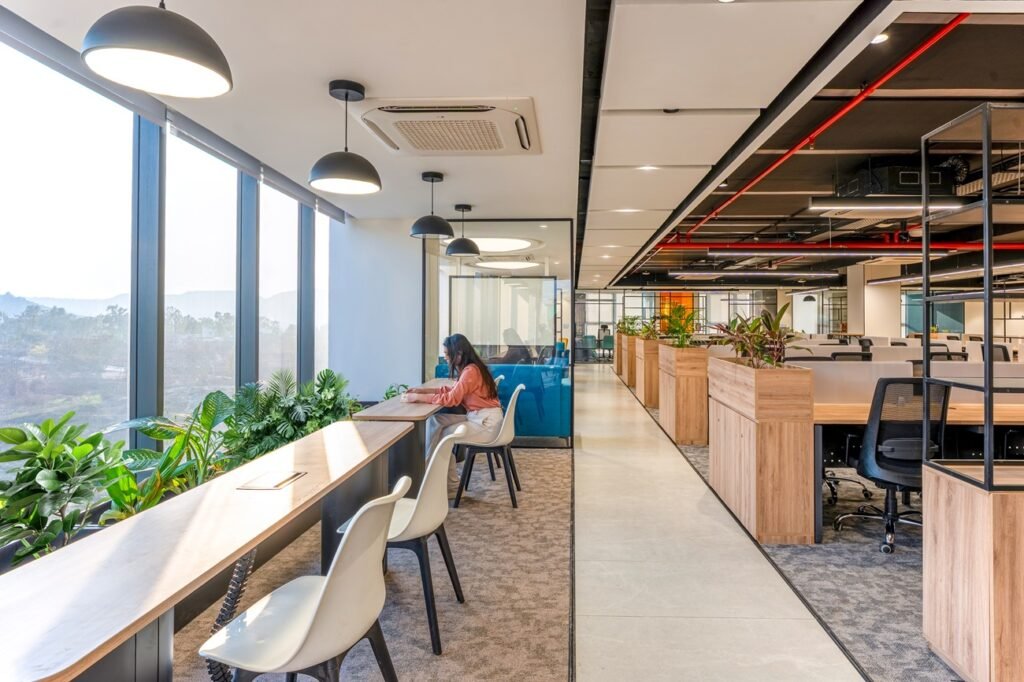


Cooling an office in an Indian summer is one of the largest recurring costs a business carries, and for most workplaces it is also the largest source of avoidable carbon. As energy prices climb and corporate ESG commitments harden into board-level mandates, the question facing every occupier has shifted. It is no longer whether to build sustainably, but how to do so without inflating the fit-out budget or compromising the experience of the people inside.
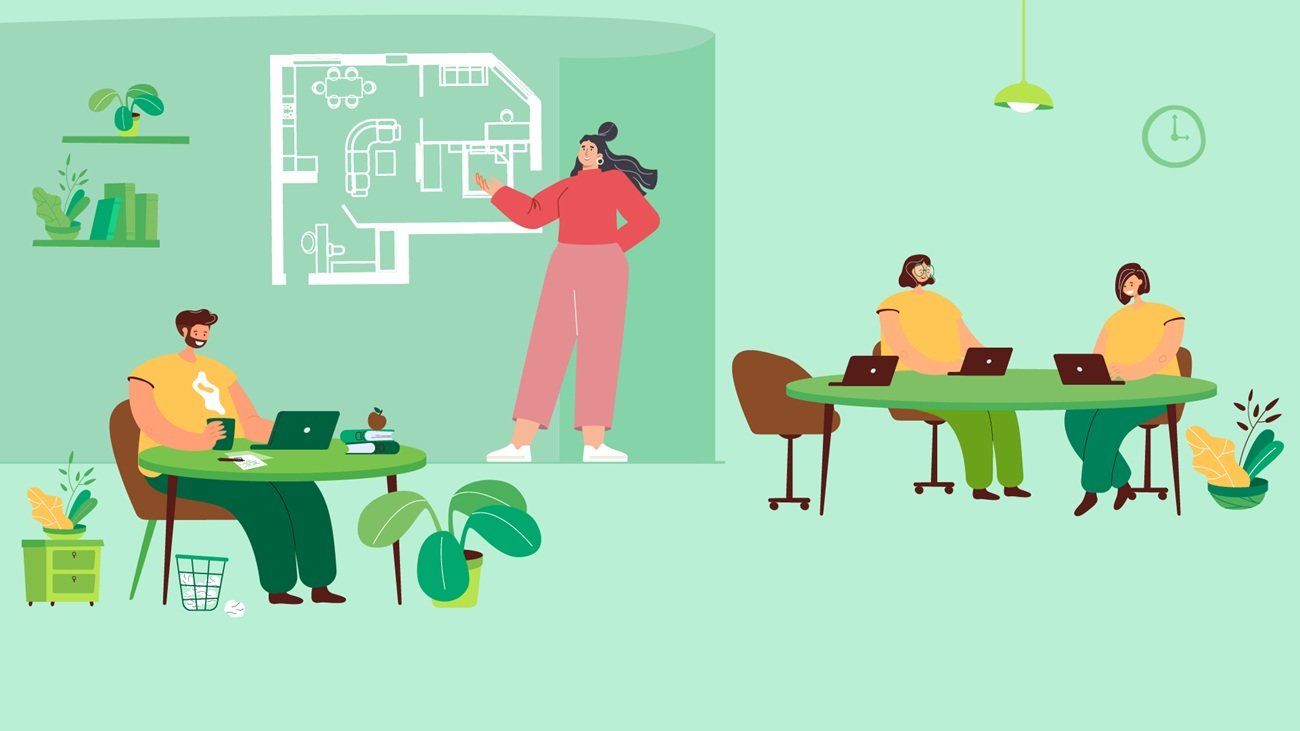
The answer is not a single green gadget. It is a coherent design strategy—one that treats energy, materials, and human well-being as a connected system rather than a checklist. Across India’s fast-growing commercial markets, a clear set of sustainable office design trends is separating future-proof workplaces from those that will feel dated and expensive within a decade. Corporate real estate managers, business owners, and developers who understand these trends can turn sustainability from a compliance cost into a measurable business advantage.
Green Certification Is Becoming the Baseline, Not the Differentiator
A decade ago, a green rating was a marketing headline. Today it is the entry price for a credible commercial office space, and tenants increasingly treat it as a hygiene factor rather than a bonus.
The Indian market now works within a maturing certification landscape:
- IGBC and GRIHA frameworks tailored to Indian climate zones and construction practices, covering both base-build and interior fit-outs.
- LEED, still widely specified by multinational occupiers who need portfolio-wide consistency.
- WELL, which shifts the focus from building performance to human outcomes—air, water, light, and comfort.
The practical trend is that leading firms now design toward certification thresholds from day one, rather than retrofitting for points at the end. This matters because late-stage compliance is where budgets bloat. As we argue in Doing More With Less in Workplace Design, the most efficient projects embed their constraints early, so sustainability targets shape the plan instead of fighting it.
Passive Design Is Reclaiming the Indian Climate
The most durable sustainability gains come not from technology bolted on, but from design decisions that reduce demand in the first place. In a country where cooling drives a large share of commercial energy use, passive strategies are the highest-leverage moves available to any office design team.
Watch for these approaches becoming standard in well-considered projects:
- Daylight-first planning that pushes workstations toward the perimeter and glazing, cutting artificial lighting loads while improving alertness—a shift we examine in Look Up: Lighting Is Changing How We Work.
- Solar orientation and shading, using building geometry, fins, and glazing selection to keep heat out before mechanical systems have to work.
- Natural and mixed-mode ventilation in transitional zones—lobbies, break-out areas, circulation—reducing reliance on full air-conditioning.
- Thermal zoning that conditions high-occupancy areas precisely rather than cooling the entire floor plate uniformly.
A designer who leads with passive strategy is protecting your operating costs for the life of the lease. One who reaches first for expensive equipment is treating the symptom, not the cause.
Low-Carbon and Circular Materials Are Redefining Specification
Operational energy is only half the carbon story. The materials used to build an office interior carry embodied carbon—emissions locked in before anyone occupies the space—and this is where specification discipline now delivers real differentiation.
The material trends shaping sustainable Indian workplaces include:
- Locally sourced materials that cut transport emissions and support regional supply chains, while grounding the interior in a sense of place.
- Reclaimed and reused elements, from existing partitions to refurbished furniture, which reduce both waste and cost.
- Low-VOC finishes that protect indoor air quality—a direct contributor to occupant health and productivity.
- Design for disassembly, where modular systems can be reconfigured or relocated rather than demolished at the next fit-out.
Circularity is not austerity. Handled well, reclaimed and regional materials produce a warmer, more distinctive office space than the generic imported palette they replace. The trend rewards designers who treat specification as a carbon decision, not merely an aesthetic one.
Well-Being Is Being Recognized as a Sustainability Metric
The newest shift in thinking is the most important: sustainability now explicitly includes the people inside the building. A design that saves energy but leaves occupants fatigued and disengaged has failed on its own terms, because human capital is the most valuable resource any office space contains.
The human-centered dimension of sustainable office design shows up as:
- Biophilic design—natural light, planting, and materials that measurably reduce stress and support focus, as explored in Why Focus Begins With Recovery.
- Comfort-led environments that borrow hospitality principles to make the workplace somewhere people choose to be, a trend we cover in The Hotelification of the Workplace.
- Healthy indoor air, achieved through low-emission materials and considered ventilation rather than fragrance and filtration alone.
- A visible culture of sustainability, since a green office only performs if people use it as intended—a link we draw in Culture Is Designed Through Office Design.
When well-being and efficiency are designed together, the result is a workplace that costs less to run and does more for the business.
The Takeaway
Sustainable office design in India has moved from optional to expected, and the firms that treat it as an integrated strategy—certification, passive design, low-carbon materials, and human well-being working as one system—are building workplaces that stay valuable as regulations tighten and energy costs rise. The alternative is a space that meets today’s minimum and becomes a liability tomorrow. Sustainability, done properly, is not a premium you pay; it is a return you earn across the life of the lease.
At Studio AsA, we design commercial interiors that are efficient, healthy, and grounded in evidence rather than trend-chasing. If you are planning a new workplace or upgrading an existing one to meet your sustainability goals, we would welcome the conversation. Contact Studio AsA to schedule a design consultation and build an office that performs for your people, your budget, and the planet.