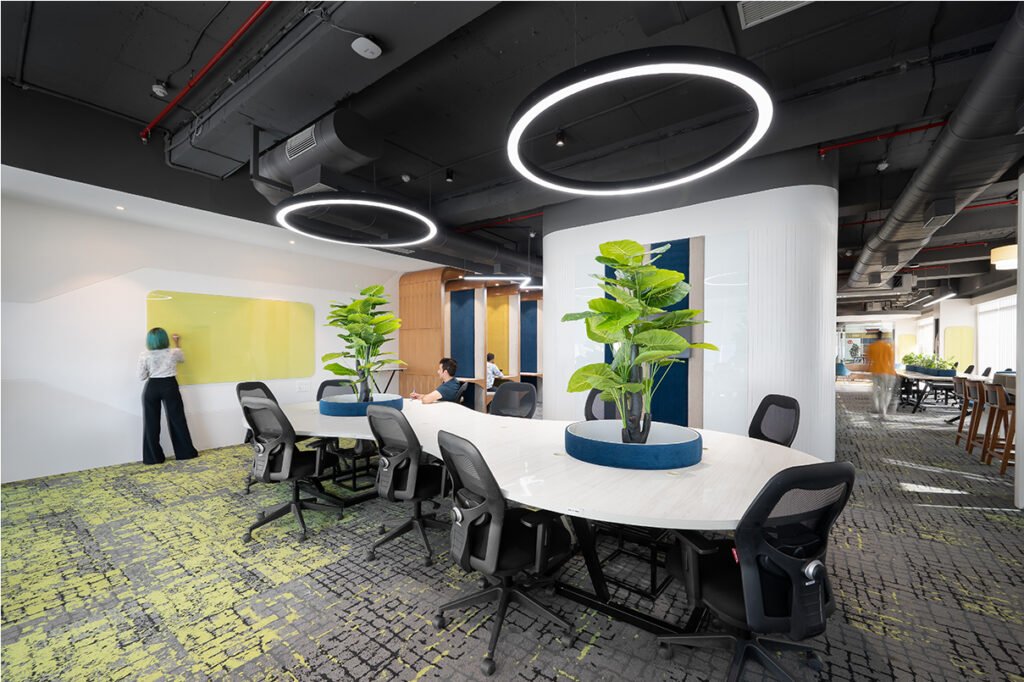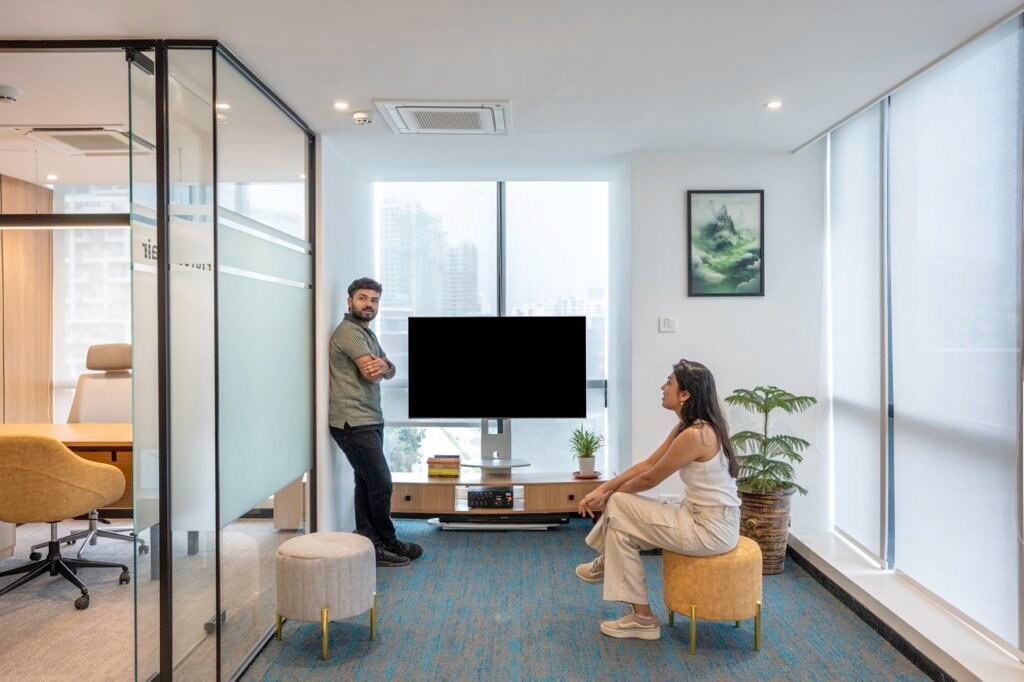


When people discuss workplace design, conversations often revolve around big ideas. Flexible layouts, collaborative hubs, biophilic elements, and sustainability strategies have become staples of the modern office. These concepts shape the foundation of a workplace, helping organizations respond to changing employee expectations and new ways of working.
Yet the difference between a good office and an exceptional one is rarely found in these broad design moves alone.
It is found in the details.
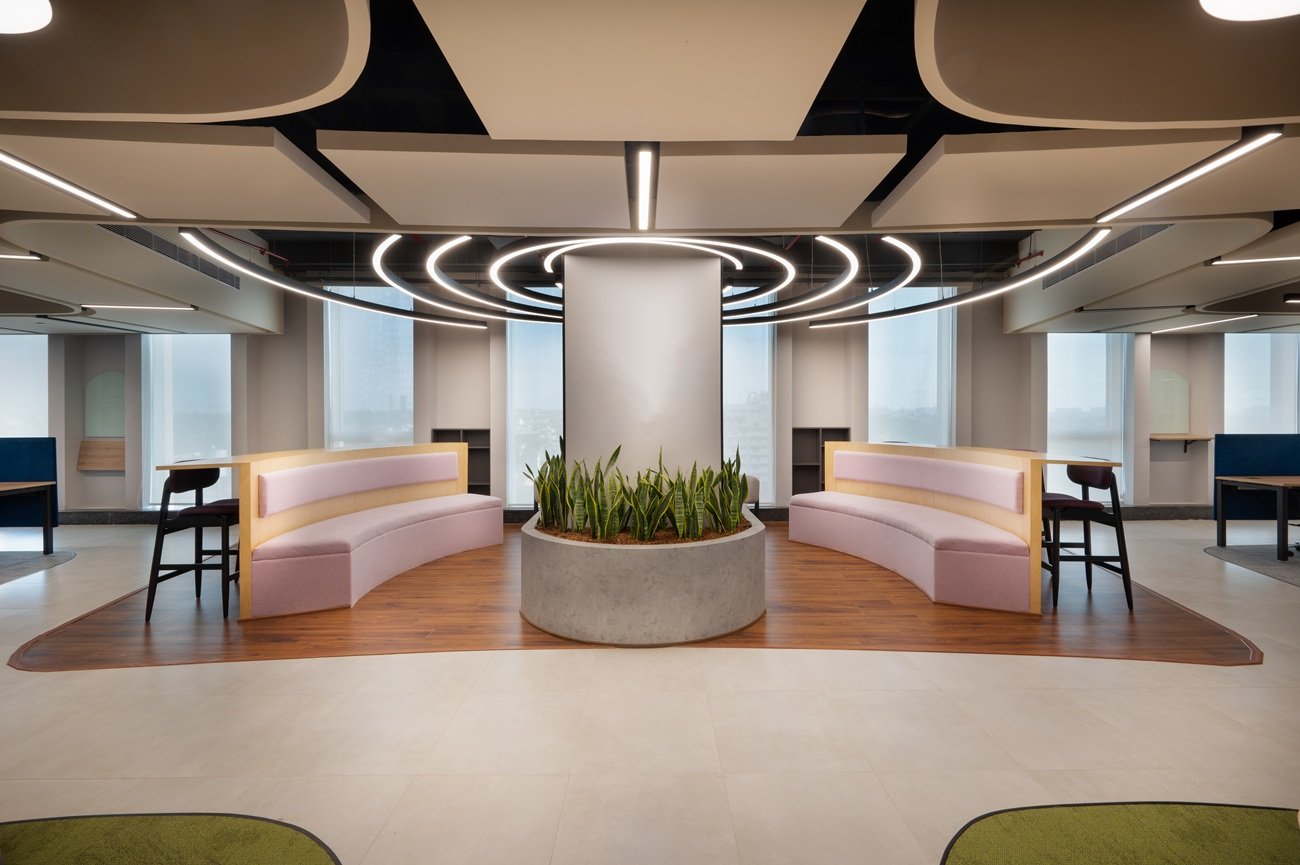
The most successful workplaces are not defined by a dramatic reception desk or a striking feature wall. They are defined by hundreds of deliberate decisions that influence how people focus, collaborate, recharge, and navigate their day. While workplace strategy establishes the framework, details determine how that strategy is experienced. For aspiring designers, understanding this distinction is essential. Concepts create vision, but details bring that vision to life.
Great Design Happens at Human Scale
Workplace design is ultimately about people. Every material, fixture, transition, and spatial cue shapes how individuals interact with their environment. A thoughtfully positioned breakout space can encourage spontaneous conversations. A comfortable seat near a window can become someone’s preferred place to think. A meeting room designed with both acoustics and comfort in mind can improve the quality of collaboration taking place within it.
These moments may seem insignificant when viewed independently, yet together they define the character of a workplace. Employees rarely evaluate a workplace based on a single feature. Instead, they experience the cumulative effect of dozens of small interactions throughout the day. This is why the most memorable offices often feel effortless. Everything simply works as expected.
This idea closely aligns with what we explored in our article on Designing Workplaces That Balance Privacy and Collaboration. While planning and spatial organization create opportunities for interaction, it is the finer details that determine whether those interactions feel natural, comfortable, and productive.
The Invisible Details Matter Most
One of the biggest misconceptions among emerging designers is that details are primarily visual. In reality, some of the most impactful details in workplace design are the ones people rarely notice.
Employees may never consciously acknowledge the acoustic insulation hidden behind a wall panel. They may not recognize how lighting levels have been carefully adjusted to suit different work modes. They may overlook subtle wayfinding cues embedded into flooring patterns or architectural elements. Yet these decisions shape their experience every day.
People remember how a workplace makes them feel. They remember whether they were able to focus without constant interruptions. They remember whether the office felt comfortable and intuitive to navigate. They remember whether collaboration happened naturally or felt forced.
The best workplace details disappear into the background while quietly improving the user experience. As discussed in our article on The Future of Hybrid Workspaces, flexibility alone does not create a successful workplace. The details determine whether flexibility becomes genuinely useful or simply remains a design concept.
Materiality Is About More Than Appearance
Material selection is often approached from an aesthetic perspective, but great workplace designers understand that materials serve a much broader purpose. Every material contributes to the performance of a space.
A surface may look beautiful in project photography, but how does it age after years of use? Does it contribute to acoustic comfort? Does it align with sustainability objectives? Does it create a positive sensory experience when touched?
The best material choices balance beauty, durability, maintenance, and performance. They support the practical needs of the workplace while enhancing the overall experience for its users.
Related Reading: How Material Choice Impacts Workplace Experience
Acoustics: The Detail That Defines Workplace Performance
Few workplace challenges affect employee satisfaction more consistently than noise. Despite this, acoustics often receive less attention than highly visible design features.
An office can have exceptional furniture, sophisticated finishes, and impressive amenities, but if employees struggle to concentrate, the workplace ultimately fails to support its primary purpose.
Acoustic comfort influences everything from productivity and focus to well-being and collaboration. When employees have access to environments that support different work modes, they are better equipped to perform at their best. Quiet zones support deep concentration. Meeting rooms facilitate effective communication. Informal collaboration areas encourage discussion without disrupting focused work elsewhere.
The most successful workplaces integrate acoustic considerations from the earliest stages of planning rather than treating them as a problem to solve later. As we discussed in Employee Wellbeing Through Workplace Design, environments that reduce stress and support concentration contribute directly to employee satisfaction and long-term engagement.
Lighting Shapes Experience
Lighting is another workplace detail that often goes unnoticed when done well. Yet its impact on human experience is profound.
Natural daylight remains one of the most valuable resources within any office. Access to daylight has been linked to improved well-being, greater workplace satisfaction, and enhanced productivity. However, effective workplace lighting extends far beyond maximizing window access.
The best workplaces use creative lighting to support different activities and emotional states throughout the day. Focus areas require different lighting conditions than social spaces. Collaborative zones benefit from different levels of brightness than circulation paths. Thoughtful lighting strategies help create environments that feel balanced, comfortable, and responsive to user needs.
Good lighting helps people see. Great lighting helps people feel energized, comfortable, and engaged.
Brand Identity Lives in Everyday Moments
Many organizations want their workplace to communicate who they are. However, the strongest workplace identities rarely rely on logos and corporate colours alone.
Authentic brand expression emerges through experience. It can be reflected in the arrival sequence, the choice of materials, the design of communal spaces, or the way employees interact within the environment. These subtle moments often communicate organizational values more effectively than overt branding elements.
A workplace designed around openness, collaboration, and innovation should embody those qualities in the way people use the space. Similarly, a company that values wellbeing should demonstrate that commitment through thoughtful amenities, comfortable environments, and opportunities for restoration throughout the workday.
This relationship between workplace design and culture is explored further in our article on The Impact of Workplace Culture on Office Design. Increasingly, employees view the workplace as a reflection of an organization’s priorities and values.
Designing for Change
Workplace expectations continue to evolve. New technologies, shifting business needs, and changing patterns of work require organizations to think beyond immediate requirements.
Adaptability has become one of the defining characteristics of successful workplace design. Yet flexibility is not achieved solely through movable furniture or open layouts. It is embedded within the details.
Future-ready workplaces incorporate infrastructure that can evolve over time. They provide spaces that support multiple work modes and accommodate changing team structures. They anticipate growth, transformation, and new ways of working without requiring extensive redesign.
Designing for adaptability means recognizing that workplaces are never truly finished. Instead, they are frameworks that continue to evolve alongside the organizations they support.
The Lesson for Aspiring Designers
For young designers entering the profession, there is often a natural tendency to focus on the headline moments of a project. The dramatic staircase, the statement lighting installation, or the striking reception area tend to attract the most attention.
Yet the true craft of workplace design lies elsewhere.
It lies in the precision of a detail, the comfort of a seat, the quality of acoustics, the warmth of natural light, and the ease with which people move through a space. It lies in the countless decisions that users may never consciously notice but experience every day.