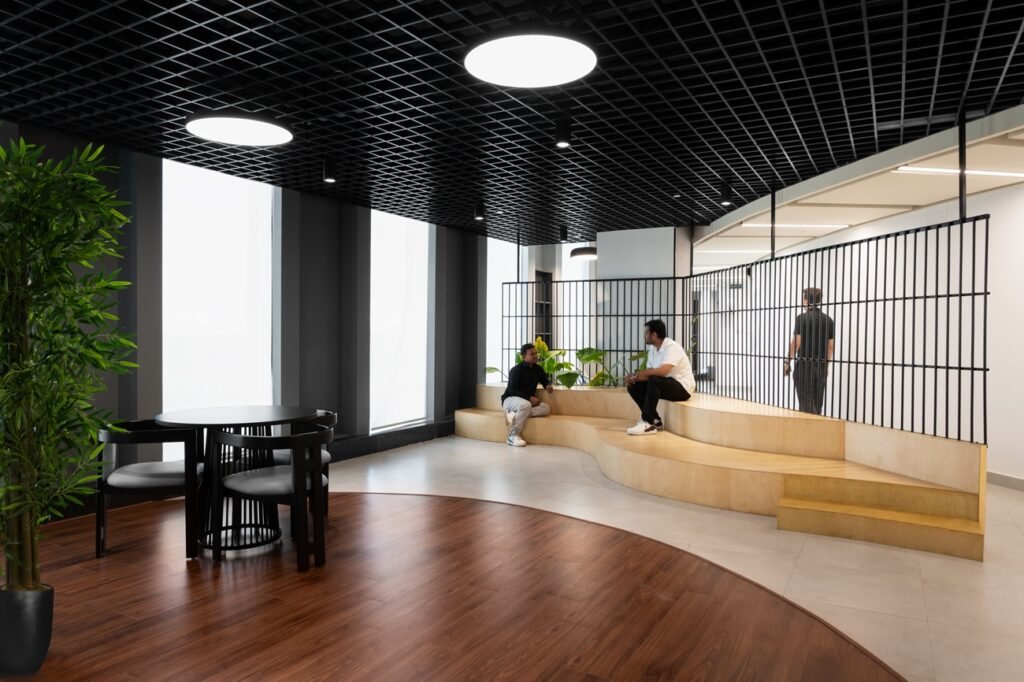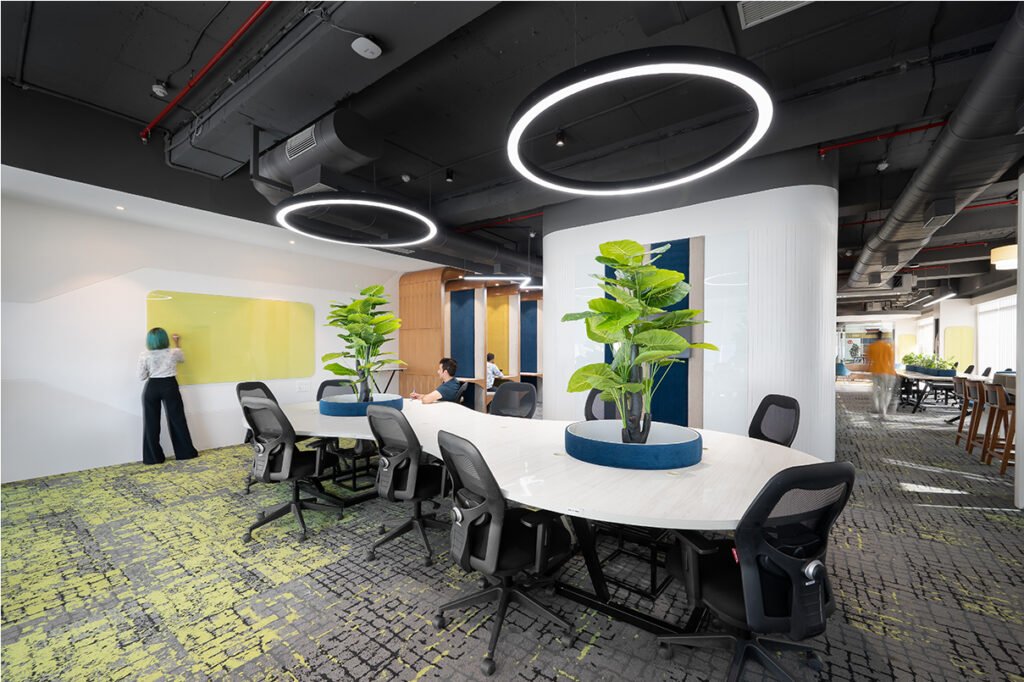


One of the things our team diligently does, almost ritualistically, is visit different coworking spaces. We walk in as curious observers, taking note of every wall, every corner, every material choice. How has this space used art? How does the branding show up? Does it feel alive, or does it feel like a catalogue page?
Most times, it leaves us awestruck.
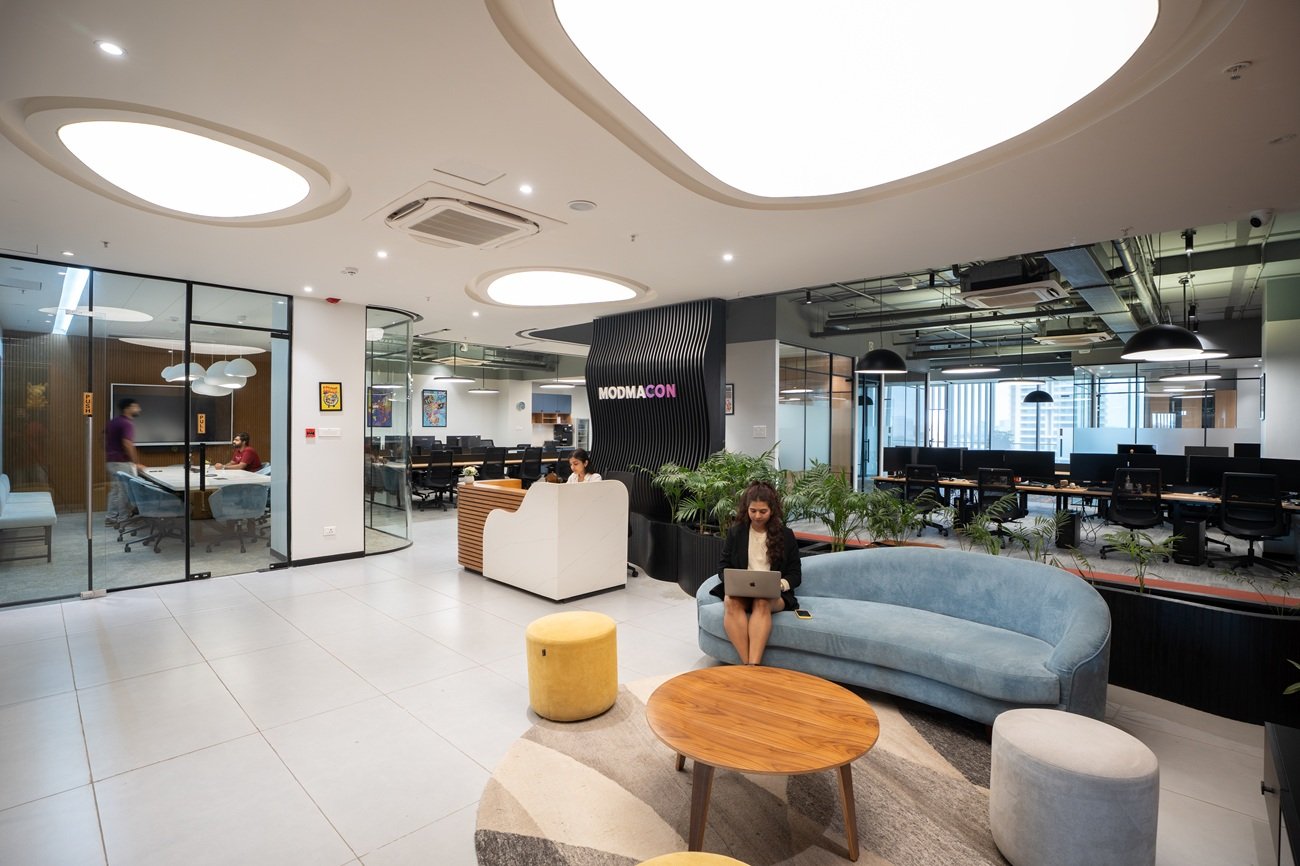
And then we ask the harder question: why?
Why does one space make you want to linger, pull out your laptop, and lose yourself in work, while another sends you straight back to the door? The answer, almost always, comes down to two things: art and branding as the very soul of the space.
A Workplace Should Feel Like Something
People have changed. The workforce has changed. Employees and members of coworking communities are no longer willing to accept beige walls and generic motivational posters as their daily environment. They want workplaces that feel authentic. They want spaces that welcome them, not spaces that merely accommodate them.
There is a difference between a workplace that houses people and a workplace that inspires them.
When art is thoughtfully integrated into an office interior, something shifts. A mural on a breakout wall becomes a conversation starter, a mood setter, a reminder of the culture that lives in that building. It says something about what the organisation values.
That emotional signal is designed.
See our earlier piece on how design shapes workplace culture to understand just how deliberately these choices need to be made.
Branding Is Not a Logo on a Wall
This is perhaps the most common misconception we encounter. Organisations invest in a brand identity, such as a logo, a colour palette, a typeface, and then treat the workplace like a blank canvas that simply needs a logo stamped onto it somewhere prominent.
That is not branding in an office design. That is decoration.
True workplace branding is immersive. It lives in the material choices like the texture of a reception desk, the warmth of a timber panel, the boldness of a feature colour in a collaboration zone. It lives in the artwork commissioned specifically to reflect the company’s story. It lives in the spatial language: how open or intimate a space feels, how it moves you from arrival to focus to collaboration and back again.
When branding is embedded into the architecture and interiors of a space, employees feel it. And feeling a brand, day after day, builds belonging.
This connects deeply to what we’ve explored in our blog on biophilic design and wellbeing; the environment around us shapes how we feel about where we are.
Art as a Strategic Tool
Let’s talk about art specifically, because it often gets sidelined when budgets are squeezed. It is seen as a luxury, a finishing touch, something that can wait.
We’d argue the opposite.
Art in a workplace is one of the most cost-effective investments an organisation can make in its culture. A single powerful artwork changes the way a space is experienced. It anchors a narrative.
More importantly, it signals investment in the human experience. And people notice.
Art also supports diversity and inclusion in ways that words on a wall simply cannot. When the artwork in a workplace design reflects the community it serves, such as the cultures, the histories, and the creative energy of the people who work there, it creates genuine belonging. People see themselves in their environment.
The Coworking Spaces That Got It Right
During our visits, the spaces that stay with us are never the most expensive ones. They are the ones where someone made considered choices.
We’ve walked into coworking spaces in repurposed industrial buildings where raw concrete was left deliberately exposed, paired with bold local street art that turned the space into a gallery as much as a workplace. We’ve visited smaller boutique coworking studios where every plant, every lamp, every art print felt like it belonged to a coherent visual story, one that whispered the brand’s personality without ever shouting it.
These spaces understand something fundamental: the environment is part of the product.
For a coworking space, your members are your customers. The moment they walk in, the space is pitching to them, telling them whether this is a place worthy of their best work, their biggest ideas, their most important meetings.
Our blog on designing for the future of work explored how design can drive retention and growth.
What We Try to Do at Studio AsA
At Studio AsA, we work to deliver workplaces that inspire people to be better thinkers, better collaborators, better versions of themselves at work.
That belief shapes every project we take on. When we approach a workplace design brief, we are asking: what story does this organisation want its people to live inside every day? What should someone feel in this space at 9 am on a Monday? What should they feel on a Friday afternoon?
Art and branding are our answers to those questions. They are the tools that transform a functional workplace into a memorable one.
Interested in bringing art and branding to life in your workplace? Get in touch with us to start the conversation.