

The modern workplace is no longer defined by desks and meeting rooms alone. Employees expect workplaces that are intuitive, connected, and flexible, while businesses need environments that improve productivity, optimize operational costs, and adapt to changing work patterns. Simply adding new technology isn’t enough. Without thoughtful planning, digital tools often become disconnected systems that fail to improve the overall workplace experience.
The real value of smart office technology lies in how it is integrated into the office design from the very beginning. When technology and design work together, the office interior becomes more efficient, employees enjoy a better workplace experience, and organizations gain valuable insights that support long-term growth.
At Studio AsA, we believe successful workplaces are designed around people first and technology second. Smart offices are not about filling spaces with devices-they are about creating environments that help people perform at their best while supporting business objectives.
Smart Office Technology Begins with Intelligent Office Design
Technology should never be an afterthought in workplace planning. The most successful smart workplaces are those where technology is considered alongside space planning, furniture selection, lighting, and employee workflows.
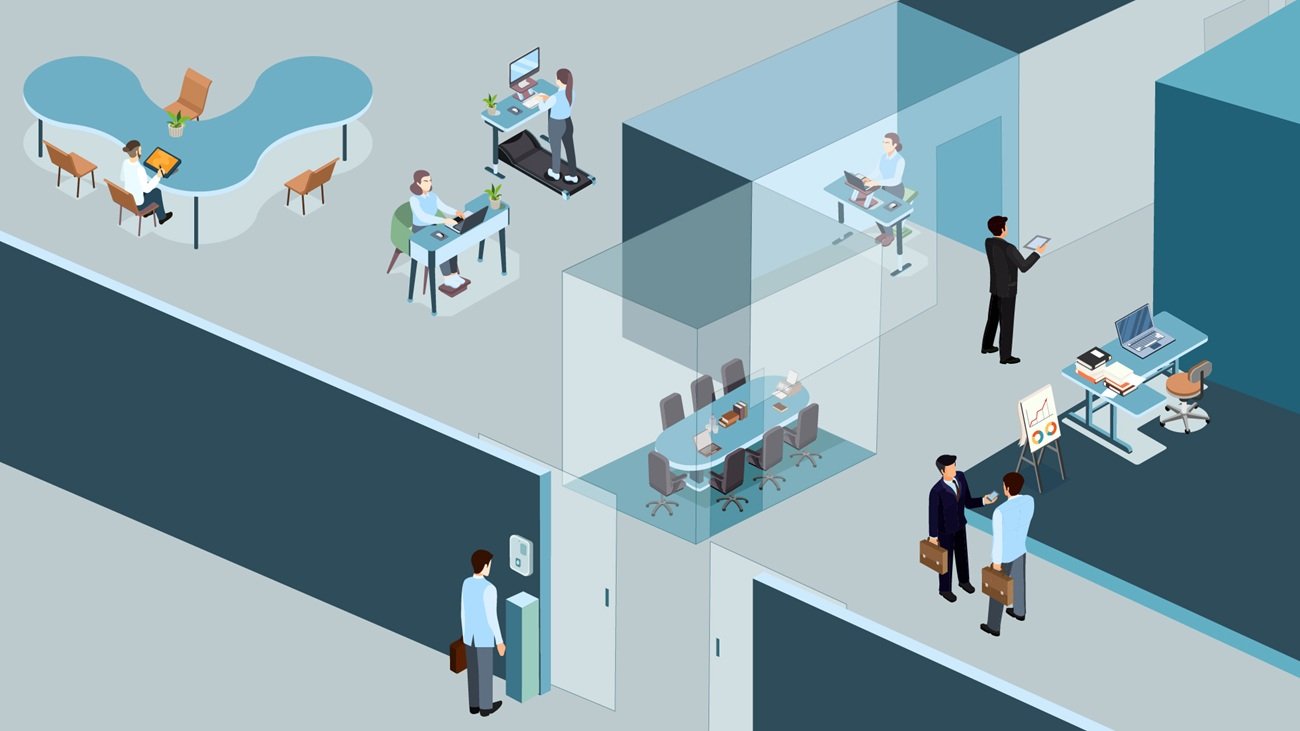
An integrated approach allows every element of the office to work together seamlessly. Smart office solutions may include occupancy sensors, automated lighting, intelligent climate control, touchless access systems, visitor management platforms, and connected meeting rooms. These technologies become truly valuable when they support the overall workplace strategy rather than functioning as isolated features.
This people-centric approach reflects how office design shapes workplace culture, collaboration, and business performance. Every design decision should contribute to a workplace that is intuitive, adaptable, and aligned with organizational goals.
Creating Better Employee Experiences Through Smart Office Spaces
Today’s employees expect workplaces that support different ways of working. Some tasks require focused concentration, while others depend on collaboration, creativity, or informal discussions.
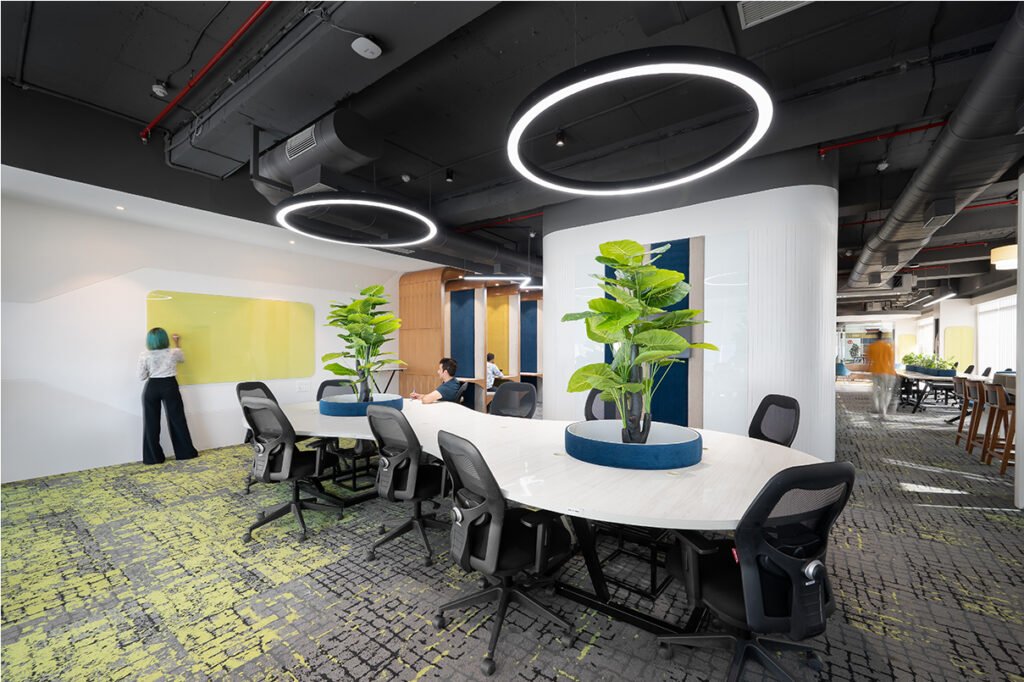
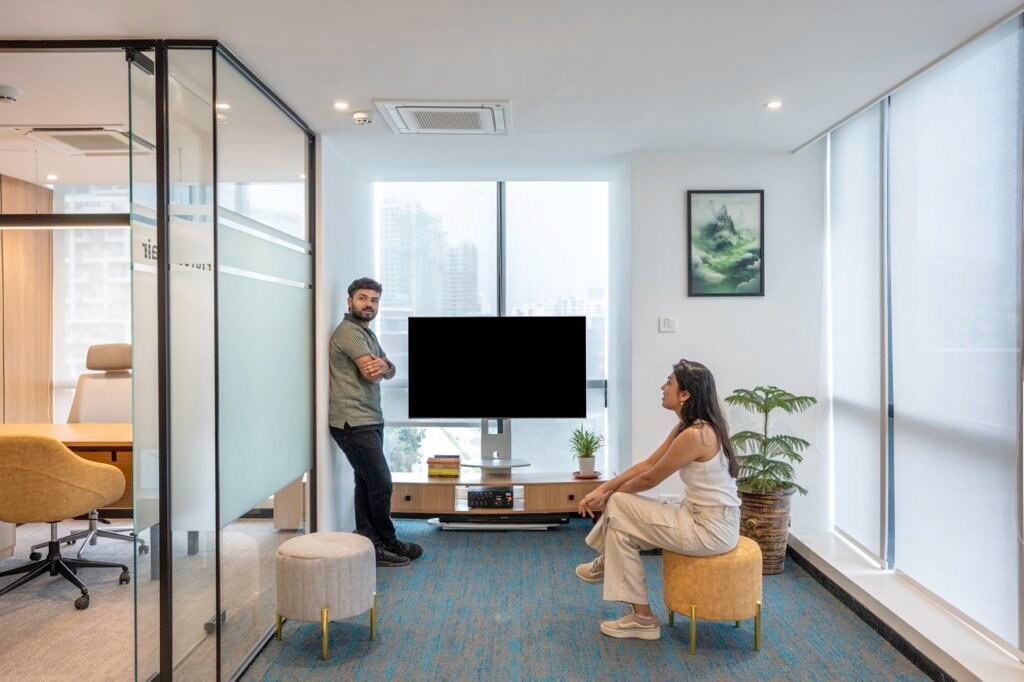
Rather than creating one-size-fits-all environments, modern office spaces are designed around activity-based working. Quiet zones, collaborative hubs, breakout areas, flexible meeting rooms, and wellness spaces allow employees to choose the environment that best suits their work.
Smart office technology makes these spaces even more effective by simplifying everyday interactions. Employees can locate available meeting rooms instantly, reserve workstations before arriving at the office, and work in environments where lighting and temperature automatically adjust for comfort.
As organizations continue embracing the hybrid workplace, flexible office environments become increasingly important. Technology helps bridge the gap between remote and in-office teams, creating consistent experiences regardless of where employees work.
Ultimately, great workplace design combines flexibility, technology, and human-centered planning to create environments where employees remain engaged, productive, and connected.
Using Workplace Data to Improve Office Performance
One of the biggest advantages of smart office technology is access to meaningful workplace data.
Instead of relying on assumptions, businesses can understand exactly how their workplace performs. Occupancy analytics reveal which spaces are frequently used, meeting room data highlights booking trends, and environmental sensors monitor comfort levels throughout the office.
These insights help organizations make better decisions about future workplace investments. Underutilized areas can be redesigned, collaboration spaces can be expanded where needed, and operational costs can be reduced through more efficient space planning.
Workplace performance isn’t only influenced by layouts and technology. Factors such as office acoustics also have a significant impact on concentration, communication, and employee satisfaction. Combining workplace analytics with thoughtful acoustic planning creates environments that genuinely support productivity.
Data-driven workplace planning allows organizations to continuously improve their offices instead of waiting years before making major changes.
Smart Office Interiors Drive Sustainability and Long-Term Value
Sustainability has become an essential part of workplace strategy. Smart office technology helps organizations reduce energy consumption while creating healthier and more efficient environments.
Automated lighting systems respond to daylight availability, intelligent HVAC systems optimize energy usage based on occupancy, and predictive maintenance reduces unnecessary equipment downtime. These improvements not only lower operational costs but also support long-term environmental goals.
The quality of the workplace environment also affects employee well-being. Natural daylight, thermal comfort, and thoughtful lighting design contribute to healthier, more comfortable offices where employees can perform at their best.
Rather than treating sustainability and technology as separate initiatives, leading organizations integrate both into a single workplace strategy that supports business resilience and future growth.
Conclusion
Smart office technology is changing how organizations design and manage workplaces, but technology alone does not create better offices. The greatest value comes from integrating technology into the office interior, allowing every aspect of the workplace to support people, productivity, and long-term business objectives.
Successful workplaces combine intelligent planning, flexible layouts, data-driven decision-making, and human-centered design to create environments that adapt as organizations grow. They improve operational efficiency, enhance collaboration, and deliver a workplace experience that attracts and retains talent.
At Studio AsA, we design workplaces where architecture, technology, and business strategy come together seamlessly. From workplace planning to complete commercial interior execution, our team creates future-ready office environments that support both people and performance.
If you’re planning a new office, renovating an existing workspace, or looking to create a smarter workplace experience, contact us today and discover how intelligent office design can transform the way your business works.