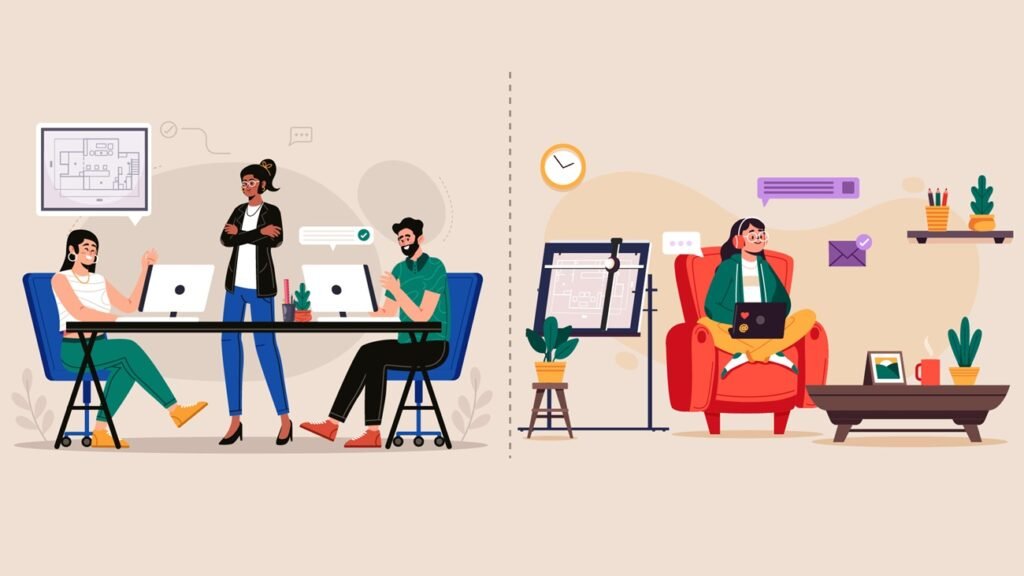


The Monday Morning That Changed Everything
It’s 9:03 AM on a Monday. Your team walks into the office to find scaffolding where the breakout lounge used to be, extension cords running across the floor, and a persistent low hum from a drill two rooms away. The renovation meant to energise the workplace has instead fractured the rhythm of the very people it was designed for.
This scenario plays out across organisations in Pune, Mumbai, and beyond with uncomfortable regularity. Companies invest in transforming their offices, only to spend months managing the fallout: missed deadlines, frustrated employees, and a culture of distraction that lingers long after the last coat of paint dries.
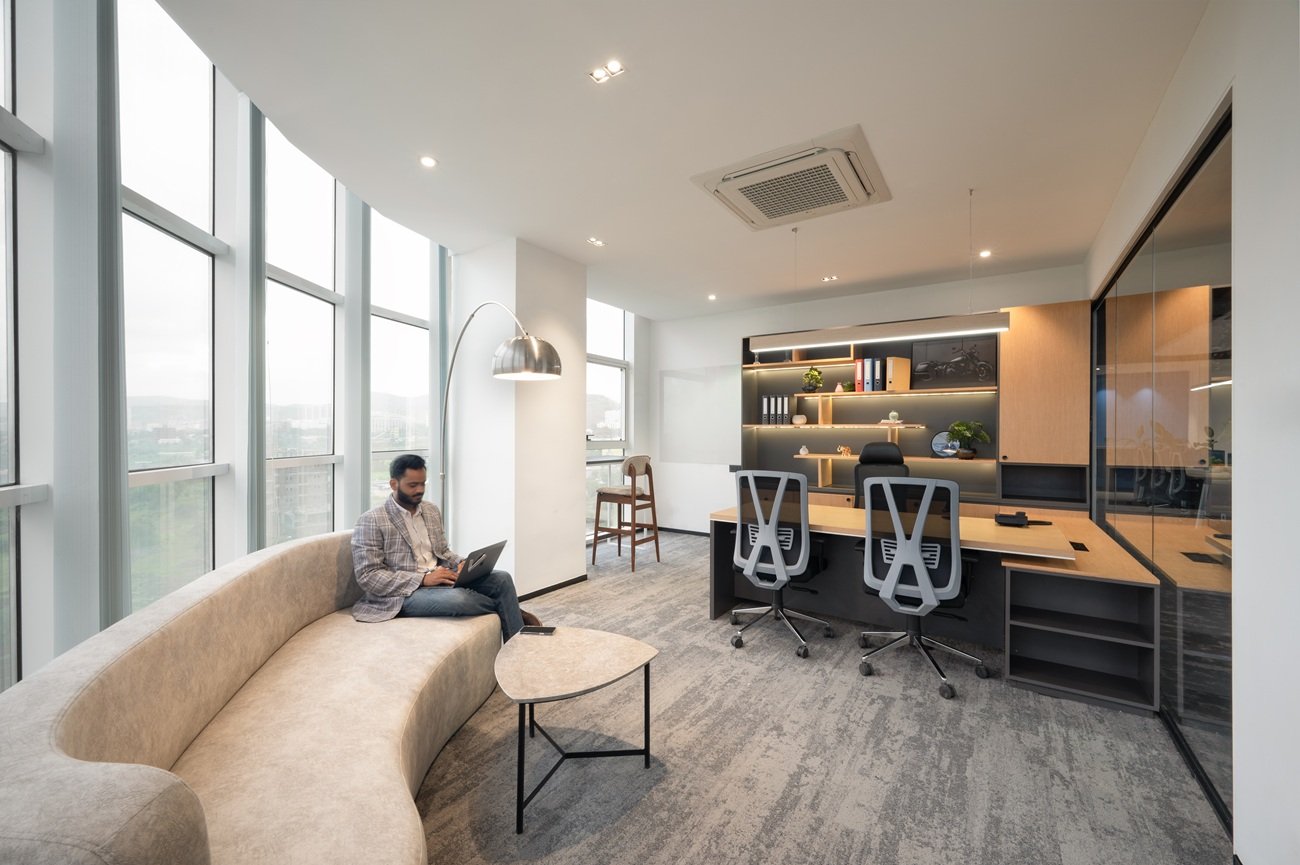
At Studio AsA, we believe workplace transformation is, at its core, a human endeavour. The question is never just what you’re building, it’s how the people living and working in that space experience the journey to get there. The right interior project shouldn’t interrupt productivity. With deliberate planning, it can actually strengthen it.
Why Most Office Renovations Go Wrong
The most common mistake we see is a sequencing flaw.
Organisations often make the decision to renovate and then bring in their design and project management teams too late after leases have been signed, after budgets are locked, and long after the critical window for strategic planning has passed. The result is a reactive process: reactive scheduling, reactive communication, and a reactive workforce that feels like things are being done to them rather than for them.
Research consistently shows that employees who feel their workplace supports their ability to focus and collaborate perform at significantly higher levels. Disruption to that environment, even temporary, carries measurable consequences. Stress levels rise. Trust in leadership erodes. And the very reason for the renovation, to improve the human experience, gets buried under the noise of the process itself.
Phase 1: Plan Around People, Not Around Plans
Before a single ceiling tile is lifted, your project needs a People Impact Assessment – a structured audit of who works where, how they work, and what they cannot afford to lose access to during the transition.
This means asking: which teams have hard dependencies on physical proximity? What are the non-negotiables, such as acoustically sensitive spaces, server rooms, and HR confidentiality zones, that must remain untouched? What is the psychological cost of relocating each team, even temporarily?
A phased sequencing plan built around human workflows is the foundation of a disruption-free project. This approach connects directly to a broader idea we explore in depth: how workplace strategy behind a space matters just as much as the design of it.
Phase 2: Design the Transition Space as Carefully as the Final Space
Temporary doesn’t mean thoughtless.
One of the most overlooked aspects of office renovation planning is the design of interim work environments. If you’re moving your finance team to a conference room for six weeks, that conference room needs to function as a real workspace with adequate lighting, acoustic privacy, ergonomic seating, and reliable connectivity. Anything less is a silent message to your team that their comfort during transition is expendable.
We advocate for what we call Dignity by Design in transition: every interim arrangement should meet a minimum standard of human dignity and functional adequacy. Teams that feel cared for during difficult transitions produce better outcomes and carry less resentment into the finished space.
During this phase, the question of how space is utilized in modern workplaces becomes critical. The decisions you make about temporary layouts often mirror the challenges of your permanent ones.
Phase 3: Protect Acoustic Dignity Throughout Construction
Here is the honest conversation most renovation briefs skip entirely: construction is loud, and noise is one of the most corrosive forces acting on human performance.
Acoustic stress from persistent construction, like drilling, sawing, and the low-frequency hum of equipment, doesn’t just irritate people. It compounds over time, degrading cognitive function, raising cortisol levels, and making focused work feel impossible. For teams doing creative, analytical, or client-facing work, this is not a minor inconvenience. It is a direct threat to output quality.
A people-first renovation plan treats acoustic management as non-negotiable: temporary acoustic hoarding (not just caution tape) around active construction zones, scheduled noise windows communicated days in advance, and protected quiet zones maintained throughout the build.
India’s open-plan offices already face significant acoustic challenges, which we’ve examined closely in our own research: The need for acoustics in office interiors
Phase 4: Schedule Construction Around Human Rhythms
Construction at 8 AM on a Tuesday is not the same as construction at 8 AM on a Sunday. Your project schedule needs to account for your organisation’s human rhythms, i.e., the peaks, the deep work windows, the all-hands weeks, and the quarter-end crunches.
Work with your design and project management teams to map blackout periods (weeks when no disruptive construction can occur: board presentations, audit seasons, product launches), low-impact windows (early mornings, post-6 PM, weekends), and noise-sensitive zones that need buffer scheduling throughout.
This is not about slowing the project. It is about protecting the people the project is for and recognising that how a workplace functions during transition is as important as how it will eventually look.
Phase 5: Build Transparency Into the Process
The most powerful disruption-mitigation tool is communication, and in a renovation context, transparency has both a cultural and a physical dimension.
Culturally, people can tolerate a great deal of inconvenience when they understand why it’s happening, how long it will last, and what’s coming at the end of it. What they struggle to tolerate is silence, surprises, and the feeling of being uninformed.
Physically, transparency in design is open sight lines, visible progress, materials, and finishes previewed before completion, which reduces anxiety and builds anticipation. The way an organisation communicates during its renovation is often a mirror of the workplace culture it will eventually house.
Phase 6: Design for the Way Your People Work
One of the most common pitfalls in office renovation projects is designing for a version of work that no longer exists. The brief is written, the design is drawn, and eighteen months later, when the space opens, the organisation has shifted.
In a post-pandemic, hybrid-first working world, the renovation process must include a live audit of how your people are actually working right now: which roles have fully returned, which teams operate in a split model, and which individuals have built deep habits around flexibility. These answers should shape not just the furniture and layout, but the sequencing and prioritisation of what gets built first.
Phase 7: Activate the Space Before It’s ‘Finished’
The moment a new zone is ready, even partially, activate it. Don’t wait for the full reveal.
Early activation serves two purposes. It gives people an experiential preview of the transformation, building anticipation and goodwill. And it stress tests the space in real conditions, surfacing functional issues before they become embedded problems. Invite teams into finished zones for working sessions. Let the creative team colonise the new studio before the last light fitting is in. These are moments of humanisation where they turn an abstract renovation into a living space that already has stories attached to it.
Organisations that approach renovation this way consistently report stronger post-occupancy satisfaction scores and fewer costly post-handover modifications. The office layout decisions made during this phase often reflect broader thinking about how hierarchy, access, and adjacency shape the human experience.
The Studio AsA Approach: People First, Always
At Studio AsA, we design workplaces from the inside out, starting with the human experience and working outward to materials, layout, and aesthetics. Every renovation we lead is governed by a simple principle: the people using the space deserve to be treated as partners in its creation, not bystanders to its construction.
If your organisation is considering a workplace interior project in Pune, Mumbai, or Bangalore, we’d welcome the conversation.
Your Pre-Project Checklist
Before your renovation begins, confirm yes to each of the following:
- Have you completed a People Impact Assessment for all affected teams?
- Are your interim workspaces designed to a minimum dignity and functionality standard?
- Is your construction schedule mapped against acoustic-sensitive zones?
- Have you accounted for hybrid work patterns in your layout brief?
- Does your project timeline protect organisational blackout periods?
- Have you planned early activation moments for completed zones?
If even one of these is missing, the risk of disruption and the human cost it carries rises significantly. Transformation should feel like progress, not pressure. The difference is always in the planning.
Studio AsA is an interior design studio specialising in people-centred workplaces, commercial interiors, and hospitality spaces across India.