

When leaders think about workplace design, conversations often begin with layout, branding, or space efficiency. Materials usually enter the discussion much later, often framed as a cost decision or a visual preference.
But in reality, material choice is one of the most important decisions in workplace design. It shapes how people feel, move, collaborate, focus, and even how long a space remains relevant to the business.
At Studio AsA, we see materials as infrastructure for experience, elements that influence culture, performance, and long-term value. For organisations evaluating design partners or interior designers, understanding this shift can change how you assess both proposals and outcomes.
Materials Shape Behaviour
A workplace is lived in, adapted, stressed, repaired, and reinterpreted every day. Materials are the interface between people and space.
- Hard, reflective surfaces amplify noise and fatigue
- Soft, absorbent materials encourage focus and comfort
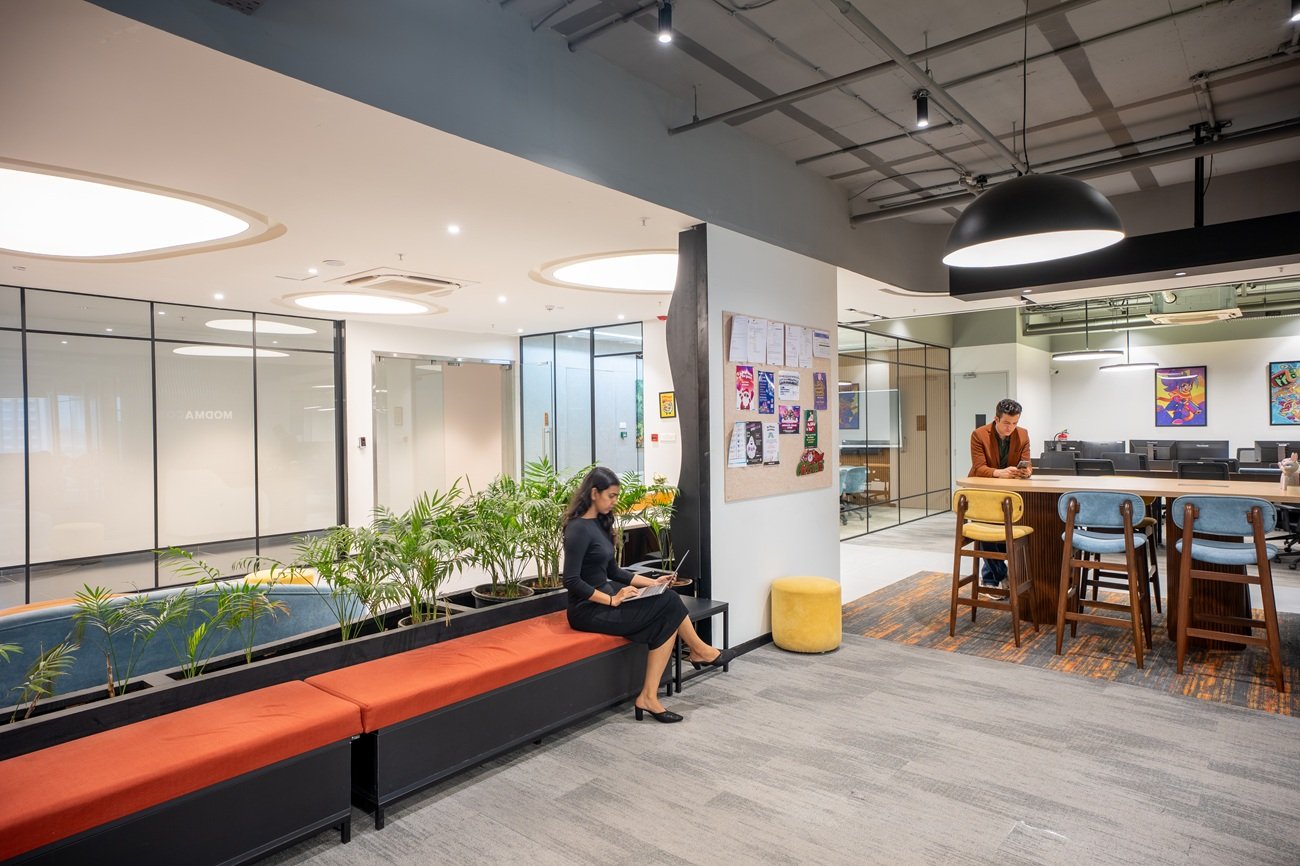
- Natural textures reduce stress and improve well-being
- Poor-quality finishes age quickly, sending subtle signals of neglect
These responses are not subjective; they are well-documented in workplace research and post-occupancy studies. Employees may not consciously notice materials, but they respond to them instinctively.
For leadership teams, this matters because behaviour drives outcomes, from productivity and collaboration to retention and brand perception.
Performance Begins with Sensory Intelligence
Modern workplaces demand cognitive agility: focus work, collaboration, virtual calls, informal interactions, all within the same footprint. Materials play a critical role in enabling this balance.
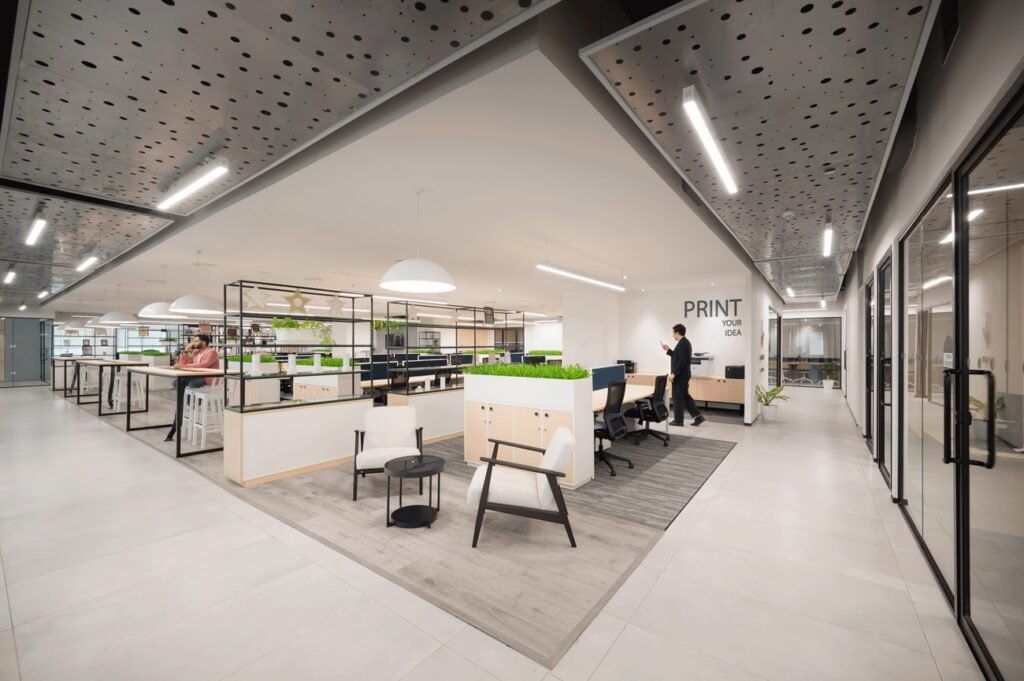
Acoustic performance, for instance, is rarely solved by layouts alone. Strategic use of acoustic panels, perforated surfaces, fabric finishes, and even furniture materials can reduce distraction without over-engineering the space.
Lighting interaction is another overlooked factor. Matte versus reflective surfaces dramatically affect glare, eye strain, and energy usage. Materials that respond well to daylight reduce dependence on artificial lighting and improve circadian comfort.
Durability Is a Cultural Signal
A workplace communicates values even when leadership is absent.
Scuffed laminates, chipped veneers, and warping finishes signal short-term thinking. On the other hand, materials that age gracefully like solid woods, well-treated metals, high-performance laminates communicate care, stability, and pride.
For fast-growing organisations, this becomes especially important. Employees joining at different stages of growth should experience continuity, not compromise.
From a buyer’s perspective, this is where initial cost versus lifecycle value becomes a critical consideration. Materials that require fewer repairs, less frequent replacement, and minimal downtime often deliver far better ROI over 5–10 years.
Sustainability is Imperative
Today’s workforce, especially younger talent, is deeply aware of environmental responsibility. Clients, investors, and global partners are increasingly asking the same questions.
Material choices influence:
- Indoor air quality (VOC emissions, adhesives, coatings)
- Carbon footprint (sourcing, manufacturing, transport)
- Waste generation (modularity, reuse, recyclability)
A workplace that claims sustainability but relies on poor material decisions creates a credibility gap.
At Studio AsA, we approach sustainability as a design responsibility. This includes prioritising locally sourced materials, modular systems that adapt to change, and finishes that balance performance with environmental impact.
Materials Enable Flexibility
Hybrid work, team restructuring, and evolving business models demand spaces that can adapt without disruption. Material selection directly affects this adaptability.
- Modular partitions allow reconfiguration without demolition
- Demountable systems reduce waste and downtime
- Robust finishes withstand frequent change
For decision-makers, this flexibility translates into future readiness, the ability to respond to growth or contraction without starting over.
Brand Is Experienced Through Materials
Brand expression is often misunderstood as colour palettes and logos. In reality, materials carry brand values more powerfully than graphics.
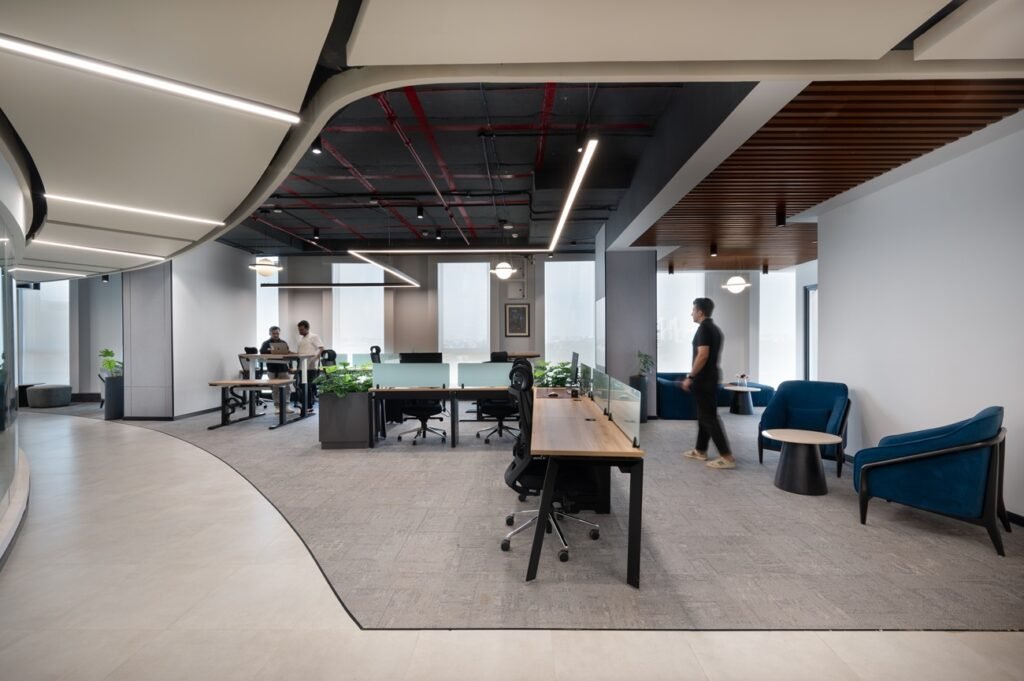
A technology firm may prioritise precision, innovation, and clarity expressed through refined metals, neutral tones, and high-performance surfaces. A people-first organisation may lean towards warmth, tactility, and openness through wood, textiles, and softer finishes.
The key is alignment. When materials reflect brand intent consistently across reception areas, work zones, and leadership spaces, the workplace becomes a silent brand ambassador.
This is particularly important for companies hosting clients, global teams, or potential hires on-site.
Designing for People
Ultimately, material choice is about respect, for the people who use the space every day and for the organisation investing in it.
A well-designed workplace does not announce itself loudly. It supports focus without distraction, collaboration without chaos, and identity without excess. Materials make this possible quietly, consistently, and over time.
For leaders planning their next workplace, the question is no longer “What will this office look like?”
It is “How will this space perform for our people and our business, year after year?”
That is where thoughtful material decisions, and the right design partner, make all the difference.
Our approach to workplace design is informed by how material intelligence supports people, operations, and business growth. Read more about how you can choose the right office designer for your workplace