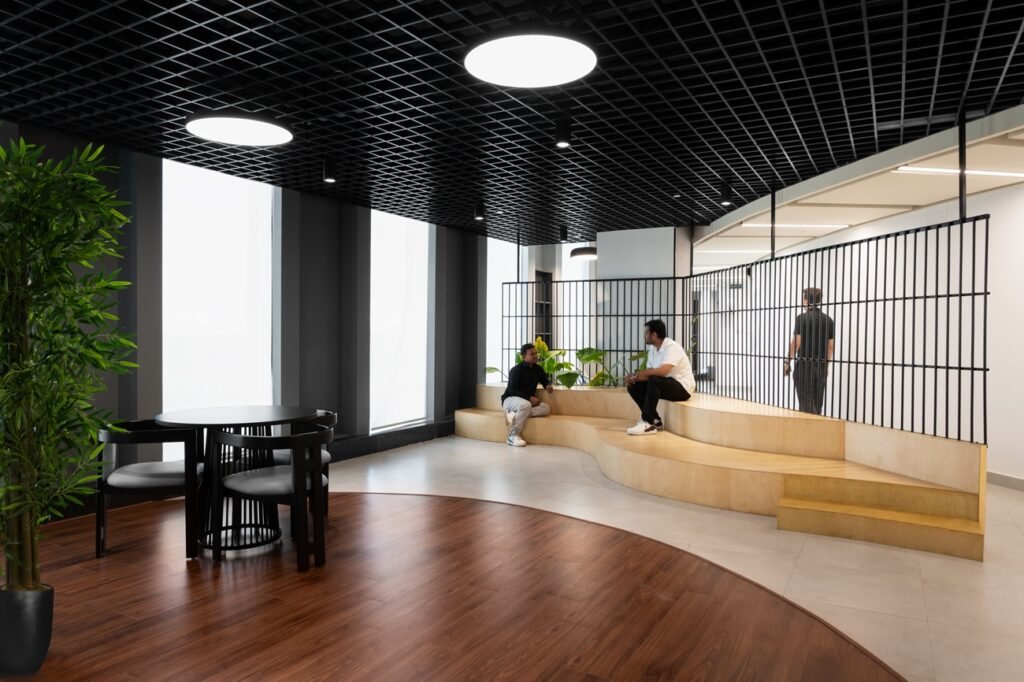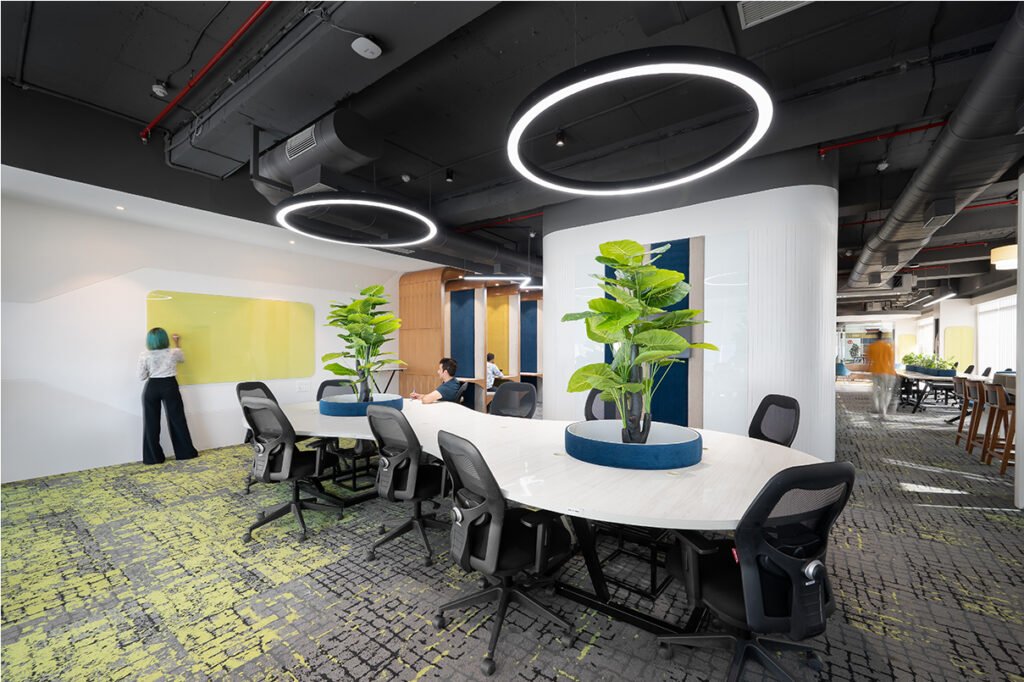


You may not see it in quarterly reports. You may not hear it in town halls. But your workplace might be quietly stressing your people.
Not because of workload. Not because of leadership. Not even because of culture.
Because of space.
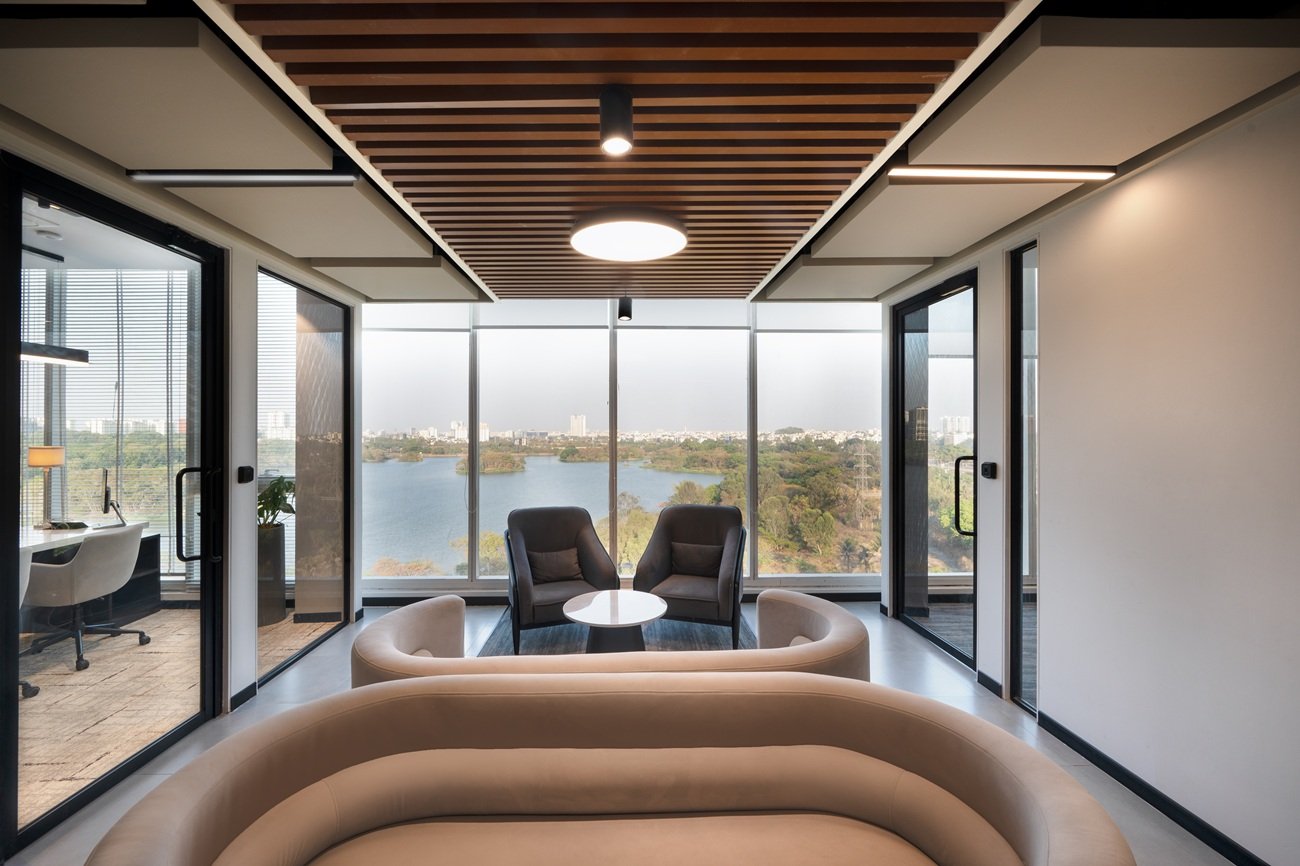 At Studio AsA, we call this spatial anxiety, the subtle psychological stress triggered by how environments are designed, organized, and experienced. It’s the discomfort employees feel when they don’t know where to sit, where to focus, where to collaborate, or where to decompress. It’s the tension of being seen but not heard. Of being present but not supported.
And it’s more common than most organizations realize.
What Is Spatial Anxiety?
Spatial anxiety occurs when the physical environment creates uncertainty, overstimulation, or a lack of control. It’s rarely dramatic. Instead, it shows up as:
- Reluctance to come into the office
- Reduced focus despite “collaborative” layouts
- Headphones as armor
- Meeting room hoarding
- Preference for remote work even when the culture is strong
The irony is that many of these offices were designed with the best intentions for openness, transparency, and flexibility.
When space demands constant adaptation from employees, it drains cognitive energy. And cognitive energy is the foundation of performance.
In our work around workplace strategy, we consistently see a correlation: environments that lack spatial clarity reduce perceived effectiveness even when amenities are generous.
The Triggers of Workplace Stress
Spatial anxiety is rarely about one element. It’s systemic. Here are the most common design triggers we encounter:
1. Ambiguity
Unassigned seating and flexible layouts can empower teams, but only when supported by clear zoning and choice. When every day begins with “Where do I sit?” decision fatigue starts before work does.
2. Visual Overexposure
Open offices without layered privacy increase subconscious alertness. When employees feel constantly visible, the nervous system remains slightly activated. Over time, this leads to fatigue, not collaboration.
Transparency is powerful, but it must be intentional. Explore our thinking on Designing for Transparent Workplace Cultures.
3. Acoustic Instability
Sound unpredictability is one of the strongest contributors to spatial stress. Intermittent conversations, phone calls, and movement disrupt deep focus more than steady background noise. Every office interior must consider acoustic strategies when designing workplaces.
4. Hierarchical Spatial Signals
Large corner offices and central leadership zones subtly reinforce power distances. Employees navigate not just tasks but territory.
5. Lack of Recovery Spaces
High-performance environments require restoration. Without quiet zones, decompression lounges, or focus rooms, employees have no place to reset. Continuous stimulation becomes the default.
Why This Matters More Now
Hybrid work has shifted expectations permanently. Employees compare the office to home, not just in comfort, but in autonomy. At home, they control sound, lighting, posture, and privacy. In poorly designed offices, they control none of it.
If the workplace increases stress rather than reduces it, attendance becomes compliance.
Organizations that understand this are moving beyond aesthetic upgrades. They are redesigning for psychological safety.
Designing Against Spatial Anxiety
So how do you fix something employees can’t always articulate?
You design for clarity, choice, and control.
1. Create Spatial Legibility
When people enter your workplace, they should intuitively understand:
- Where to collaborate
- Where to focus
- Where to socialize
- Where to restore
Clear zoning reduces decision fatigue. Visual cues like materials, lighting, ceiling heights, and acoustics signal expected behaviors.
2. Layer Privacy
Privacy is the foundation of it. High-performing offices balance:
- Open team areas
- Enclosed focus rooms
- Semi-private booths
- Quiet libraries
- Retreat spaces
The key is distribution. If privacy is scarce, it becomes competitive. If it’s abundant, it becomes empowering.
In our research-driven projects, teams with access to varied privacy settings report higher perceived productivity and lower stress levels.
3. Design for Acoustic Choice
Instead of fighting sound, manage it.
- Use absorptive materials strategically.
- Create sound-buffer zones between collaboration and focus areas.
- Introduce controlled ambient masking where appropriate.
- Position high-energy zones away from deep-work clusters.
- Rethink Visibility and Control
Glass partitions and open layouts are not inherently stressful. Lack of control is. Provide:
- Adjustable blinds or switchable glass
- Flexible screens
- Booking systems that are intuitive
- Clear occupancy signals
When employees can adjust their environment, stress decreases even if the space remains active.
This aligns closely with our approach to Rethinking Office Layouts and Organizational Hierarchy, where adaptability replaces rigidity.
- Integrate Micro-Restoration Zones
High-performance cultures require micro-breaks. Small, intentionally designed spaces for pause, such as soft seating corners, greenery pockets, and low-light lounges, signal permission to reset.
The workplace should oscillate between stimulation and restoration. That rhythm supports resilience.
Measuring What You Can’t See
Spatial anxiety is subtle but measurable. We recommend integrating:
- Workplace experience surveys
- Utilization analytics
- Behavioral mapping
- Pre and post-occupancy studies
Often, the most telling insight is simple: ask employees where they feel most effective and why.
At Studio AsA, we embed these insights into our Office Design in Pune and beyond, ensuring design decisions are backed by data, not assumption.
The Strategic Advantage of Calm
Organizations invest heavily in talent acquisition, digital tools, and leadership development. But if the physical environment undermines focus and well-being, those investments lose impact.
A calm, legible, responsive workplace does more than reduce stress. It:
- Increases perceived autonomy
- Enhances cognitive endurance
- Strengthens team trust
- Encourages meaningful presence
It shifts the office from obligation to advantage.
If you’re ready to examine how your environment is influencing behavior and well-being, explore our insights on Workplace Strategy and Performance Metrics or connect with our team to begin a spatial experience audit.