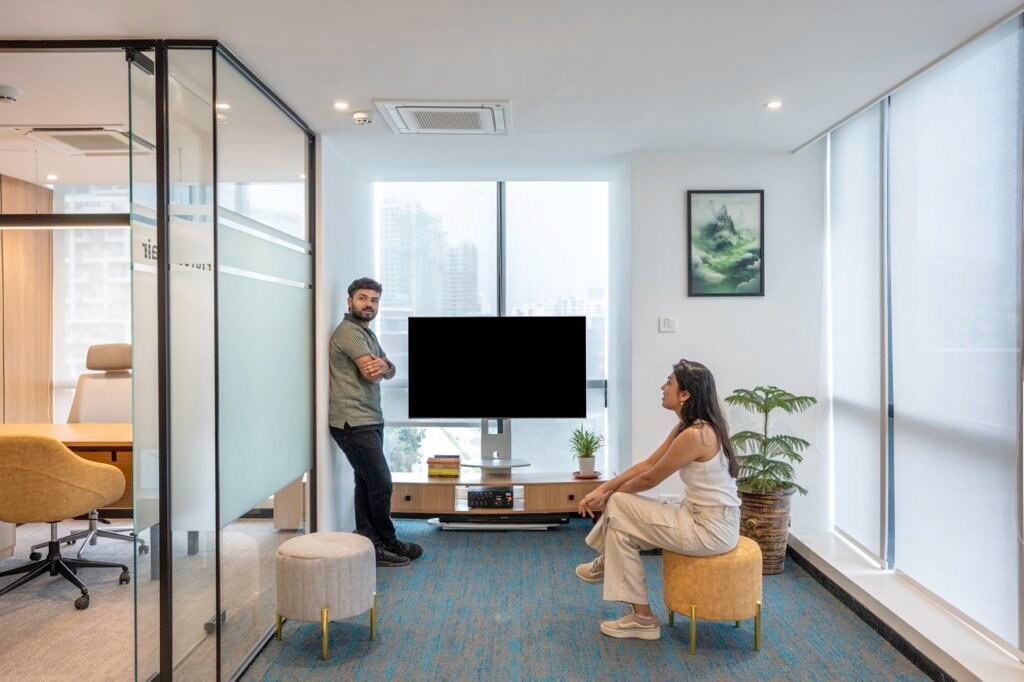


The question isn’t whether hybrid work is here to stay. It is. The more pressing question is the one that determines whether an organisation thrives or merely copes is this: Is your office designed for it?
Across India’s fastest-growing business cities, we’re watching a quiet divide emerge. On one side are organisations whose offices have become destinations, places people choose to show up to, not just show up at. On the other hand, offices are unchanged since 2019, struggling to justify the commute. The difference, in almost every case, comes down to design.
The Office Has a New Job Description
When work can happen from anywhere, the office must earn its place. It can no longer justify itself as the default container for work. Instead, it has to do something no home setup, café, or co-working drop-in can replicate: bring people together with intention.
That means the hybrid office isn’t a downsized version of the traditional office. It’s a fundamentally different thing. It’s a place designed for the moments that matter: the collaborative sessions that spark ideas, the conversations that build trust, the face-to-face interactions that reinforce culture. As we explored in Designing Workplaces That Move People Forward, the most effective offices today don’t just accommodate work, they accelerate it.
What the Hybrid Office Unlocks
Flexibility without chaos. The most common fear about hybrid design is that fewer assigned desks means less control. In practice, it’s the opposite. When space is designed around how people actually work such as focused tasks, collaborative projects, social exchange where occupancy becomes more intentional, not less. Space Utilization: Designing Modern Workplaces outlines how right-sizing and zoning can turn an underperforming floor plate into an asset that serves every work mode.
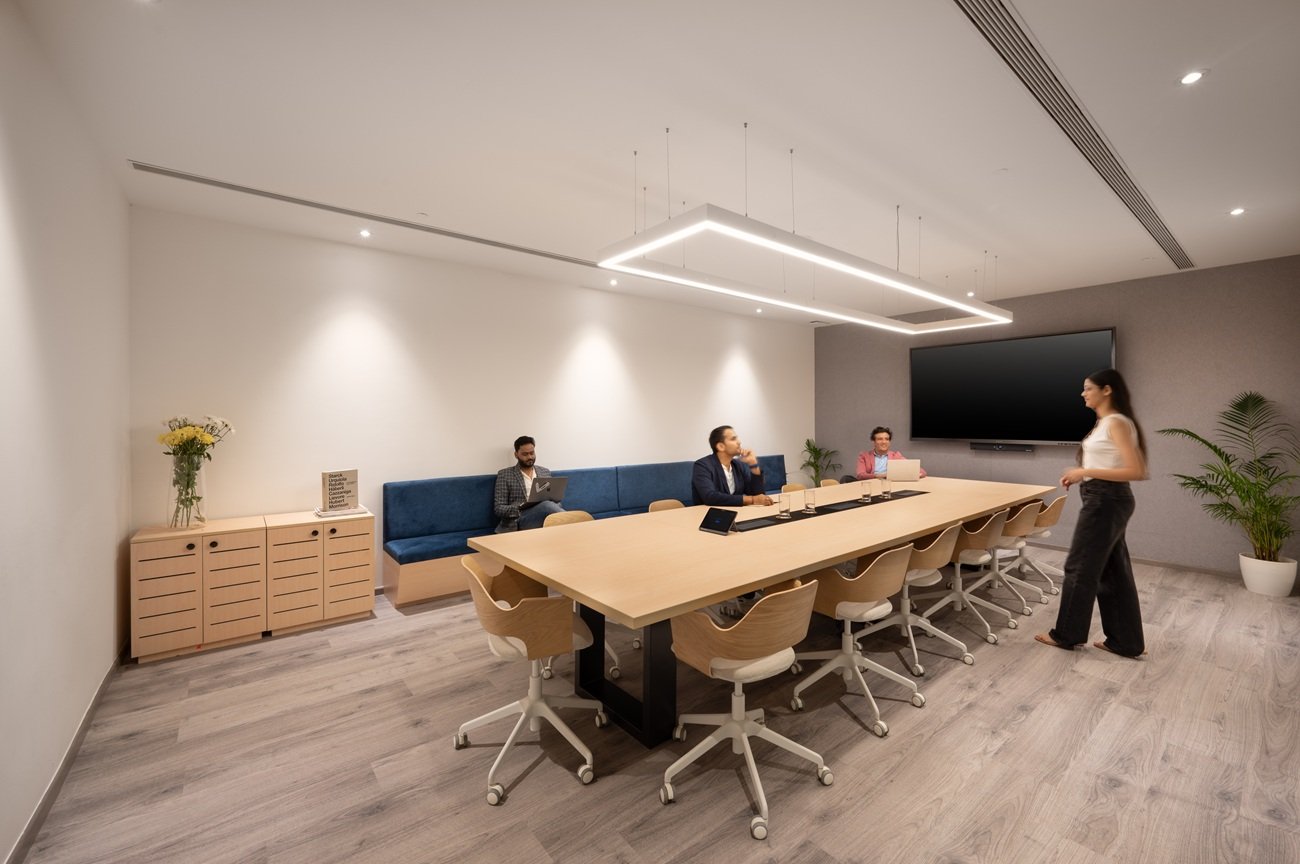
Collaboration that’s worth the commute. People don’t commute to sit on calls. They come in to think alongside each other. The hybrid office has to make that worth it through well-designed collaboration zones, informal gathering spaces, and meeting rooms that actually support the kind of fluid, multi-participant sessions that hybrid teams depend on. This requires more than furniture arrangement. It requires acoustic design, technology integration, and spatial hierarchy that makes different kinds of interaction feel natural. Our piece on Noise, Focus, and Zones: The Need for Acoustics in India makes the case for why acoustic zoning is no longer optional in a hybrid-first workplace.
Focus when you need it. One of the most undervalued aspects of a well-designed hybrid office is its ability to support deep work. Because hybrid employees are already managing the open distractions of home, the office must offer the focused, quiet environments that home can’t always provide. Quiet zones, enclosed focus rooms, and thoughtful visual and acoustic separation allow people to arrive, settle in, and do their best thinking, not just their most social work.
Culture you can feel. Culture doesn’t transmit through a screen. It lives in the quality of a space, the thoughtfulness of a layout, the materials on a wall. A hybrid office that reflects your organisation’s values such as its openness, its ambition, its care for people sends a message that no all-hands video call can replicate. The design of leadership zones, common areas, and transparency between teams shapes culture in ways that are slow-burning but lasting. Designing for Transparent Workplace Cultures explores exactly how the built environment makes organisational values visible.
The Design Moves That Matter
Getting the hybrid office right comes down to a handful of decisions made early in the process.
Rethink the floor plan. The traditional layout with rows of assigned desks, a boardroom at the end was designed for full-time, in-person attendance. Hybrid work demands a different spatial logic: a mix of touchdown stations for independent work, bookable rooms for team sessions, open areas for informal exchange, and quiet zones for concentration. As we outlined in Rethinking Office Layouts and Organizational Hierarchy, the way space is organised communicates something about how an organisation thinks about power, access, and collaboration.
Invest in the technology layer. A hybrid office that functions seamlessly for remote participants is as much a technology challenge as a design one. Integrated AV systems, wireless connectivity, smart booking, and sensor-based utilisation tracking are not add-ons. They are infrastructure. Smart Office Technology for a Connected and Efficient Workplace walks through what that stack looks like in practice.
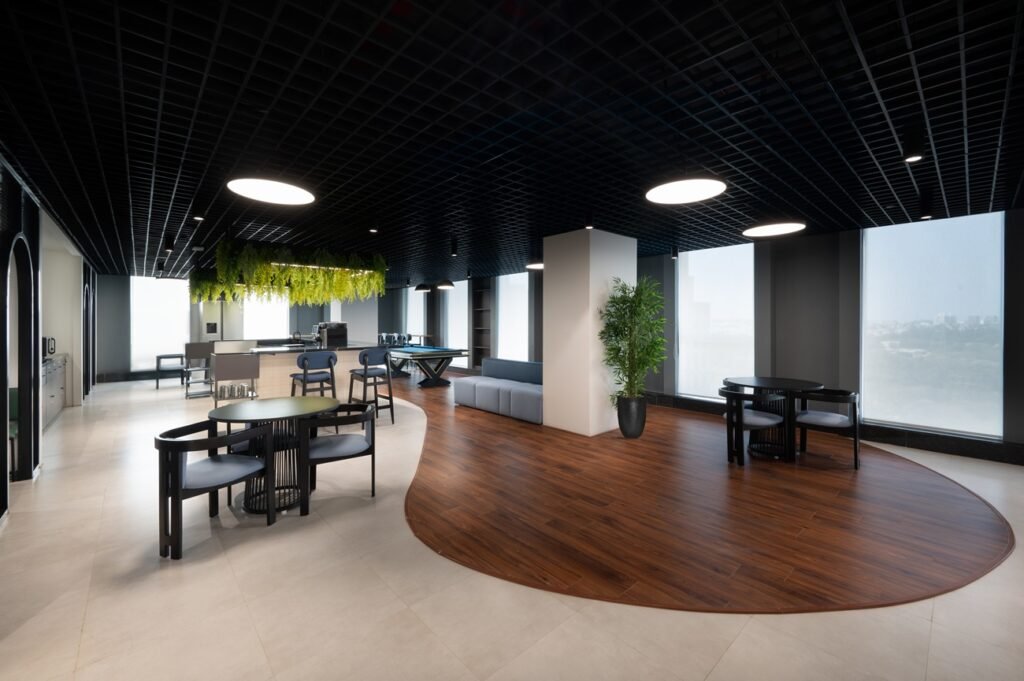
Design for experience. The best hybrid offices are places people talk about. They have a quality of space like light, materiality, and warmth that makes time there feel different from time anywhere else. Biophilic elements, considered lighting, and spaces that allow for both energy and calm all contribute to an environment that people want to return to.
Measuring What Design Unlocks
Good design has to be accountable. That means tracking the outcomes that matter: attendance rates, collaboration frequency, employee satisfaction, retention, and space efficiency. How Workplace Strategy Drives Measurable Impact is a useful starting point for organisations that want to connect design decisions to business performance and build the internal case for continued investment.
Across the projects Studio AsA has delivered in Pune, Bangalore, Mumbai, and Hyderabad, the pattern is consistent. Organisations that invest in hybrid-ready design don’t just improve their spaces. They improve how their people work and how they feel about coming to work in the first place.
The Question Worth Asking
If your people had a choice, would they choose your office? Not because they have to, but because it helps them think more clearly, connect more meaningfully, and do work they’re proud of?
That’s the potential the hybrid office is designed to unlock. And it starts with treating design not as an aesthetic consideration, but as an organisational one.
If you’re rethinking your workplace for how your teams actually work today, we’d like to be part of that conversation. Let’s talk