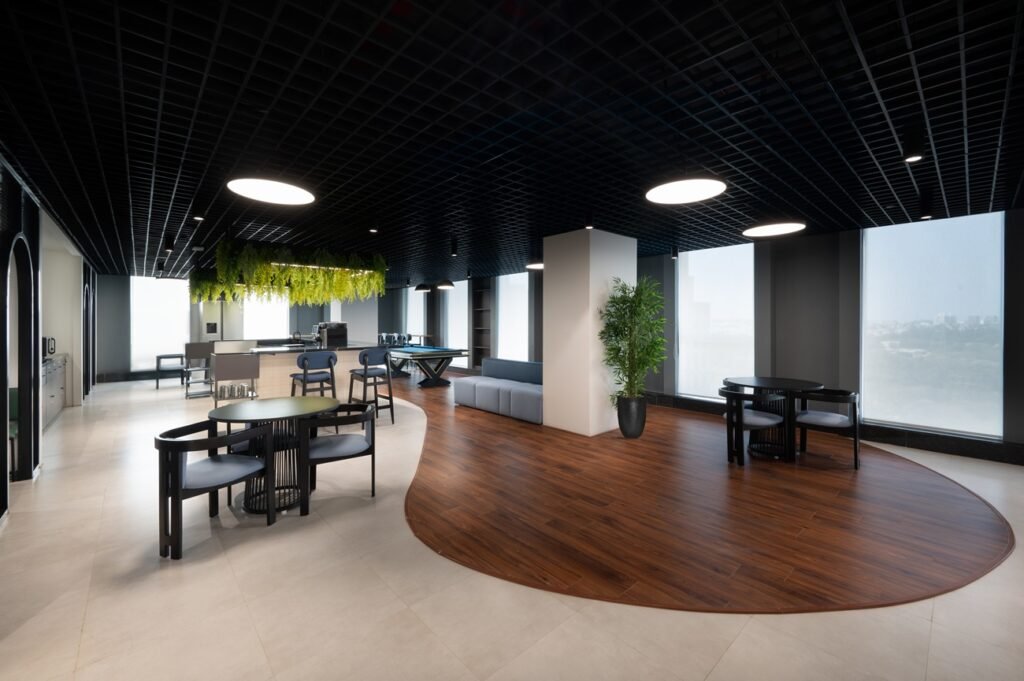


India’s business environment is often spoken about as a single, unified market. In reality, the way work happens across Indian cities is anything but uniform.
Each major business city has developed its own rhythm, pressures, and expectations shaped by economics, talent ecosystems, real estate realities, and cultural behaviour. As organisations expand and operate across multiple cities, office design must respond to these differences thoughtfully and strategically.
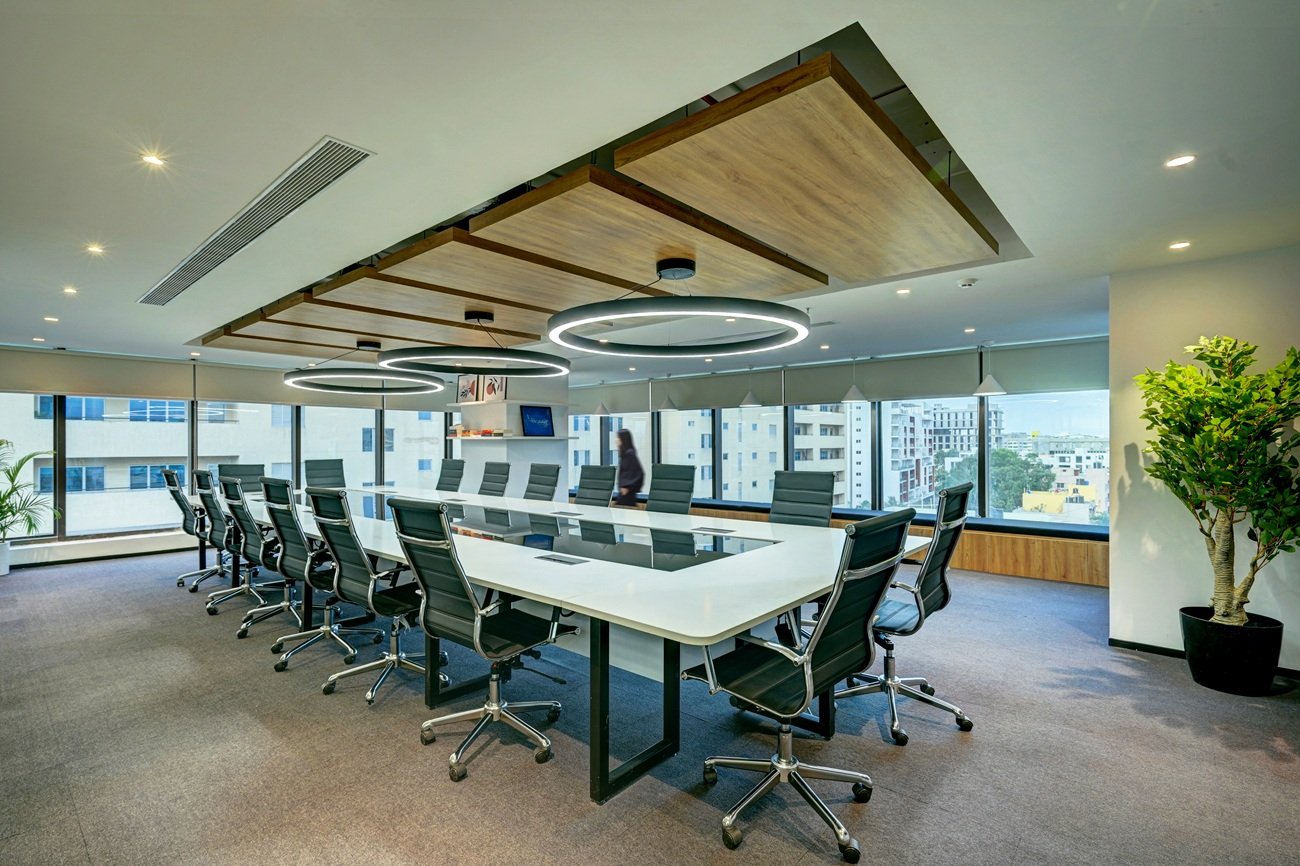 At Studio AsA, we believe that effective office design begins with understanding context. Not just the organisational brief, but the city itself, how people work there today, what they expect from their workplace, and how those expectations will evolve as businesses grow.
One Country, Multiple Workplace Realities
While companies across India may share similar goals: productivity, collaboration, innovation, and employee well-being, the physical environments that support these goals cannot be identical everywhere. A workplace designed for Bangalore’s hybrid workforce will not function the same way in Mumbai’s high-density commercial districts or Hyderabad’s large-scale corporate campuses.
This is where many organisations experience friction. Global design templates or standardised layouts may appear efficient, but they often overlook the nuances of local work culture. Over time, this misalignment leads to disengaged teams, inefficient spaces, and offices that fall behind as businesses evolve.
Workplace design, when approached strategically, responds not just to geography, but to the business realities embedded within each city.
Mumbai: Designing for Density, Performance, and Presence
Mumbai’s workplace landscape is defined by ambition and constraint. With some of the highest real estate costs in the country and a strong preference for central business districts, offices here often operate within tight spatial limits. The challenge is not simply fitting people into space, but ensuring that performance, comfort, and brand perception are not compromised in the process.
Many Mumbai offices struggle with overcrowding, acoustic fatigue, and a lack of visual or spatial relief. Open plans, while popular, can quickly become overwhelming when density is not managed carefully. In such environments, office design must prioritise intelligent zoning, acoustic planning, and clarity of movement.
Effective office design in Mumbai focuses on making every square foot work harder without making people feel compressed. Thoughtful layouts, well-defined focus areas, and premium detailing help reinforce a sense of credibility and calm in otherwise high-pressure environments. Here, design becomes a tool for sustaining performance and reinforcing leadership presence.
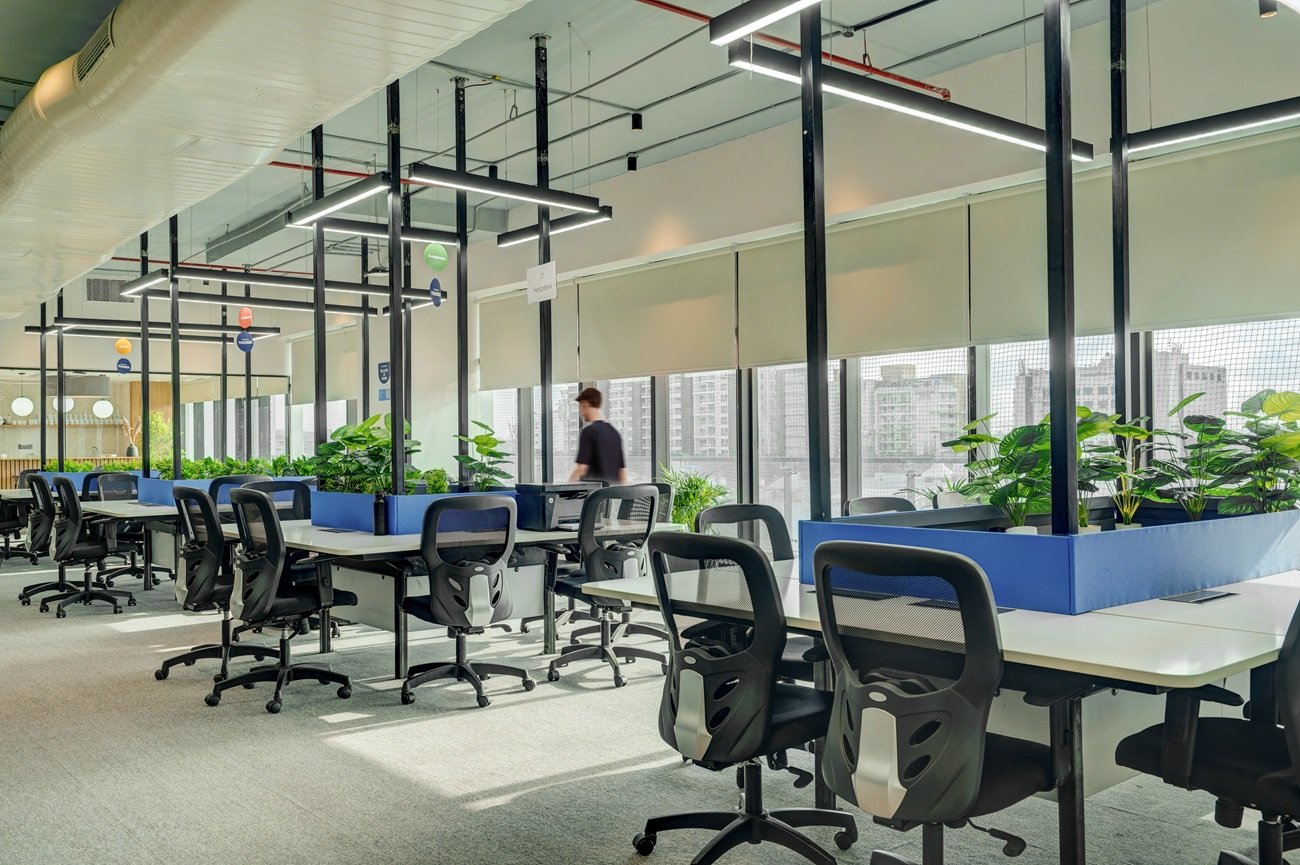
Pune: Supporting Growth, Culture, and Talent Retention
Pune’s business ecosystem is characterised by growth. From technology firms to manufacturing-led organisations, many companies here are expanding rapidly and hiring at scale. While this growth is positive, it often brings a new set of challenges, particularly around maintaining culture and retaining talent.
As teams grow, informal workplaces can begin to feel disorganised, while overly rigid layouts can stifle collaboration. Employees may struggle to find spaces that support focused work, learning, or meaningful interaction. In these moments, the workplace plays a critical role in shaping how culture evolves.
Office design in Pune must strike a careful balance between flexibility and structure. Offices that support collaboration while also providing clarity tend to perform better over time. In this context, the workplace becomes more than a functional environment as it becomes an active contributor to employee experience and long-term retention.
Bangalore: Designing for Innovation and Hybrid Work
Bangalore’s workforce is dynamic, technology-driven, and increasingly hybrid. For many organisations, the traditional role of the office has shifted. Attendance is no longer guaranteed, and productivity is no longer measured by physical presence alone. This has led to a fundamental question: what is the office for?
In Bangalore, employees expect workplaces to offer something they cannot get at home: connection, collaboration, creativity, and a sense of belonging. Offices that fail to deliver meaningful experiences often struggle to draw people back consistently.
Office design here focuses on flexibility and purpose. Modular layouts, collaborative zones, and experience-led spaces support innovation and informal interaction. Technology integration ensures that hybrid teams can work seamlessly, while spatial variety allows individuals to choose how and where they work best. In Bangalore, the office evolves into a hub for culture and creativity rather than a daily obligation.
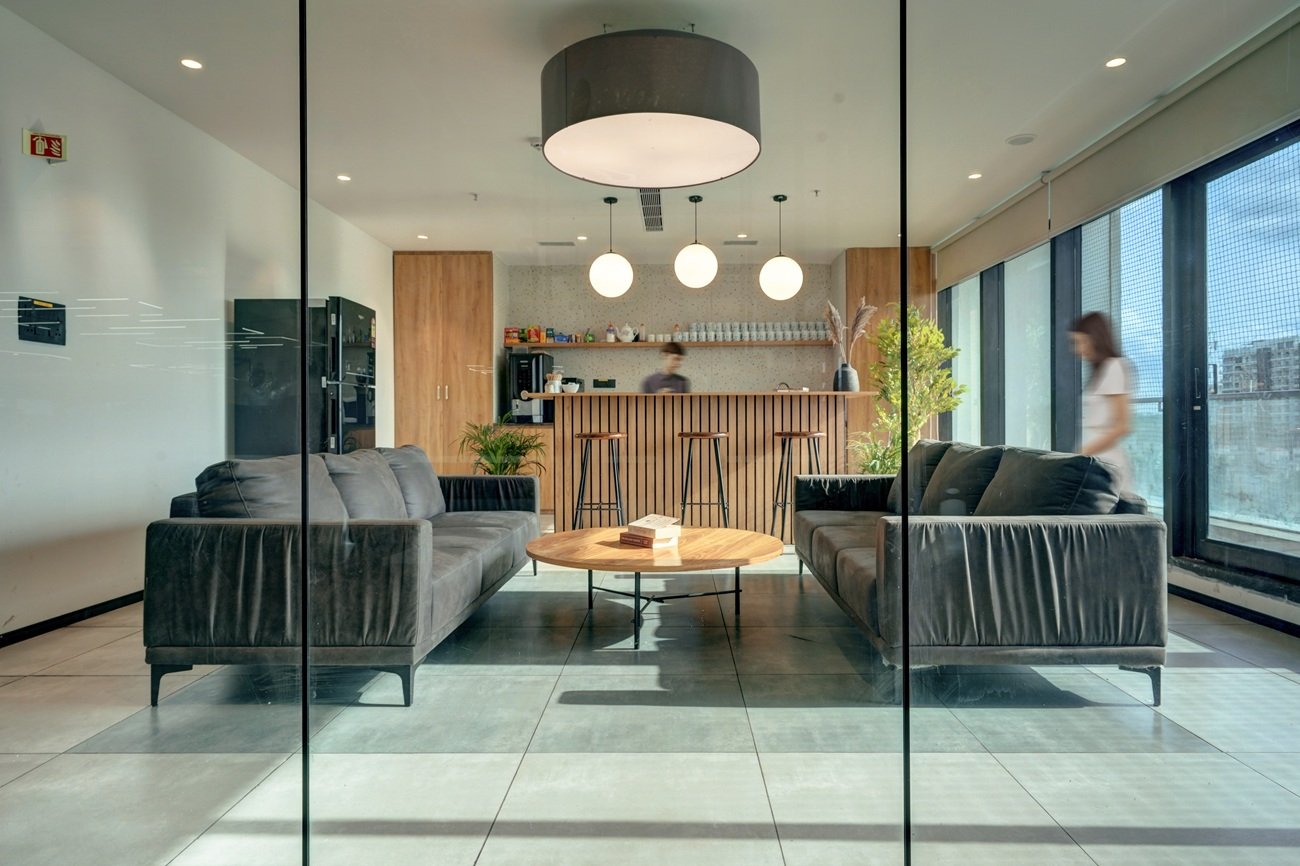
Hyderabad: Planning for Scale and Operational Clarity
Hyderabad’s growth trajectory is defined by scale. As global capability centres, technology firms, and life sciences organisations expand rapidly, workplaces here must support large teams, complex operations, and long-term planning. The challenge is not designing small, expressive spaces, but creating clarity across expansive floor plates and multi-level environments.
Without careful planning, large offices can quickly become disjointed, inconsistent, and difficult to navigate. Employees may experience confusion in movement, uneven access to amenities, or a lack of cohesion across teams.
Office design in Hyderabad prioritises systems thinking. Clear zoning, logical circulation, and consistency across floors help create an environment that feels structured yet human. By designing for governance without rigidity, offices can support both efficiency and comfort. In this city, successful workplace design enables scale while maintaining usability and employee well-being.
Designing for the Future Across Indian Cities
Despite the differences between Indian business cities, one reality is shared across them all: change is constant. Organisations are navigating evolving work models, shifting employee expectations, and rapid business growth. Office design must therefore look beyond immediate needs and anticipate what lies ahead.
A Contextual Approach to Office Design
At Studio AsA, we design workplaces that respond to both people and place. By understanding the unique pressures and opportunities within each city, we create environments that are not only visually refined but strategically aligned with how organisations operate and grow.
Whether designing offices in Mumbai, Pune, Bangalore, or Hyderabad, our approach remains rooted in context, culture, and change. Because the most effective workplaces support people in doing their best work, wherever they are.
Explore Our Workplace Design Services