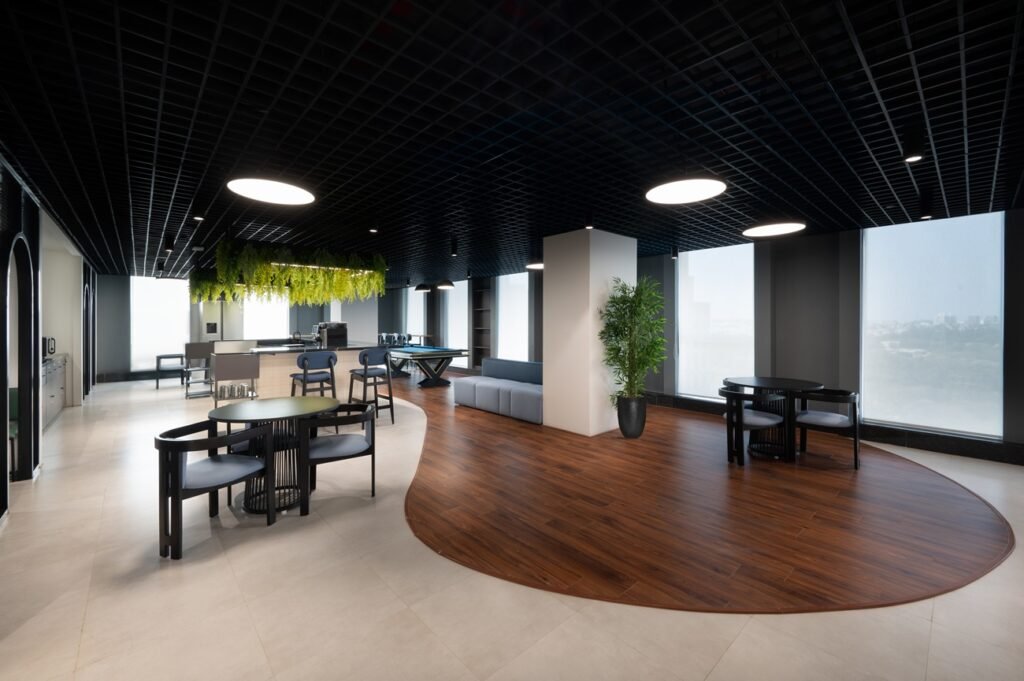


Office design has moved far beyond aesthetics. Yet many organisations still approach it as a cosmetic exercise, resulting in spaces that look impressive but quietly undermine performance, culture, and wellbeing.
At Studio AsA, we often encounter the same design missteps across industries and growth stages. These mistakes are rarely intentional. They stem from outdated assumptions, rushed decisions, or a lack of alignment between space and strategy.
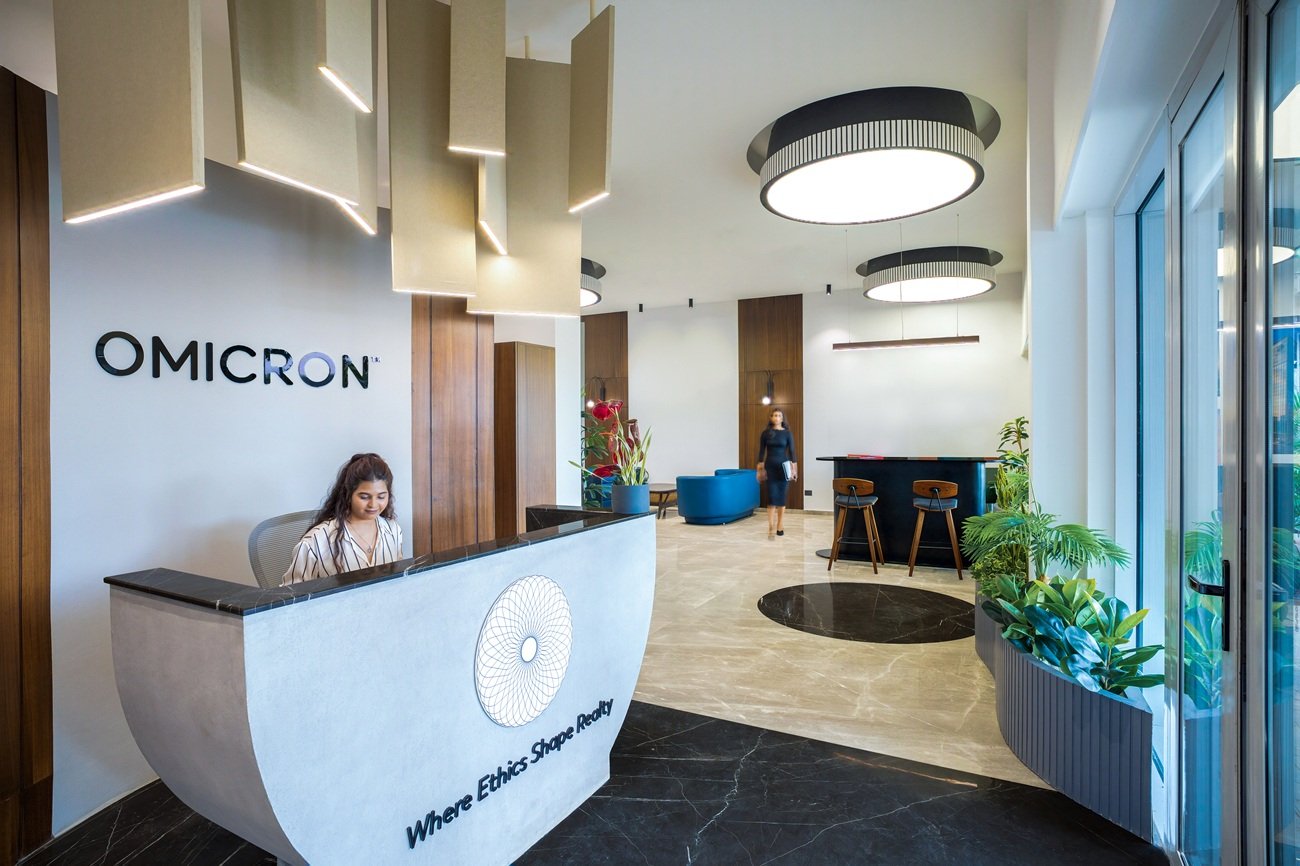
Here are the most common office design mistakes companies make and how to avoid them.
Designing for Trends Instead of Work
Open offices, biophilia, and collaboration zones all these trends have their place. The problem arises when trends are adopted without understanding how people actually work.
A visually striking office that disrupts focus, reduces privacy, or forces constant movement ultimately erodes productivity.
How to avoid it:
Design must begin with work patterns. Understand task types, team interactions, and concentration needs before selecting layouts or finishes, which is why workplace experience matters more than workplace design.
Assuming One Space Fits All
A single floor, uniform layout may appear efficient, but it ignores a fundamental reality: work is not monolithic.
Deep focus tasks, collaboration, learning, and social interaction require different spatial conditions. When all activities are forced into the same environment, people adapt by disengaging.
How to avoid it:
Create a balanced ecosystem of spaces which has quiet zones, collaboration areas, enclosed rooms, and informal settings, allowing employees to choose environments that match their tasks. These workplace strategies help spark creativity and collaboration in people.
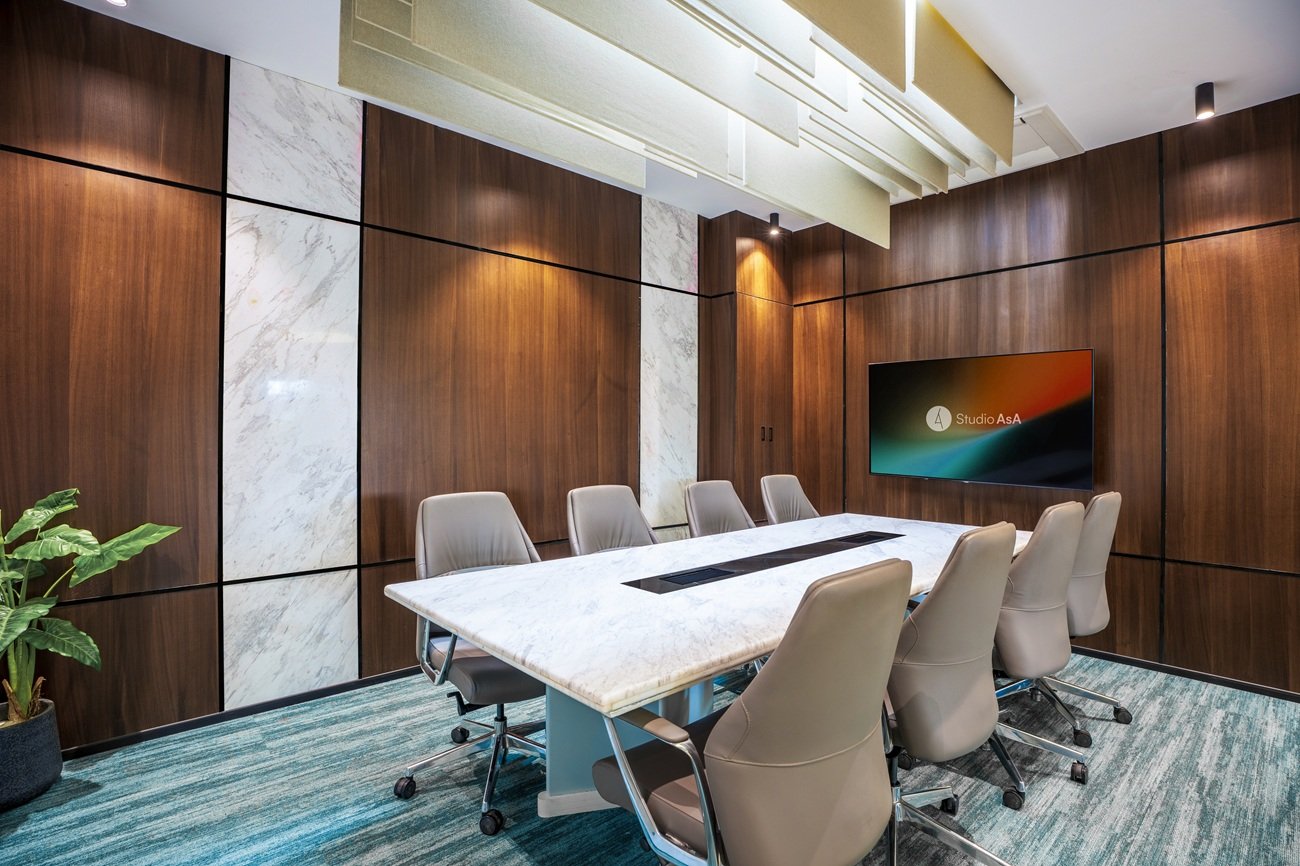
Treating Design as a One-Time Decision
Many organisations design for today’s headcount and workflows, overlooking growth, restructuring, or hybrid work models, which results in a space that feels outdated within two years. For this reason, we have covered why multiple offices fall behind as businesses grow.
How to avoid it:
Plan for flexibility. Modular furniture, adaptable layouts, and scalable infrastructure allow workplaces to respond to change without constant overhauls.
Ignoring Organisational Culture
Culture is not communicated through value statements on walls alone. It is experienced through space, how transparent leadership feels, how easily teams interact, and how inclusive environments are.
When design is disconnected from culture, the workplace feels performative rather than authentic.
How to avoid it:
Translate cultural values into office design. If collaboration matters, design for it. If focus is prized, protect it. If the hierarchy is flat, reflect that spatially.
Overlooking Employee Experience
Workplace decisions are often made at the leadership level, with limited employee input. This results in spaces that look good on paper but fail in daily use. Discomfort, noise, poor lighting, or lack of choice directly affect engagement and retention.
How to avoid it:
Incorporate user insights early. Observe behaviours, conduct surveys, and test assumptions. An office designed with people, not just for them, performs better.
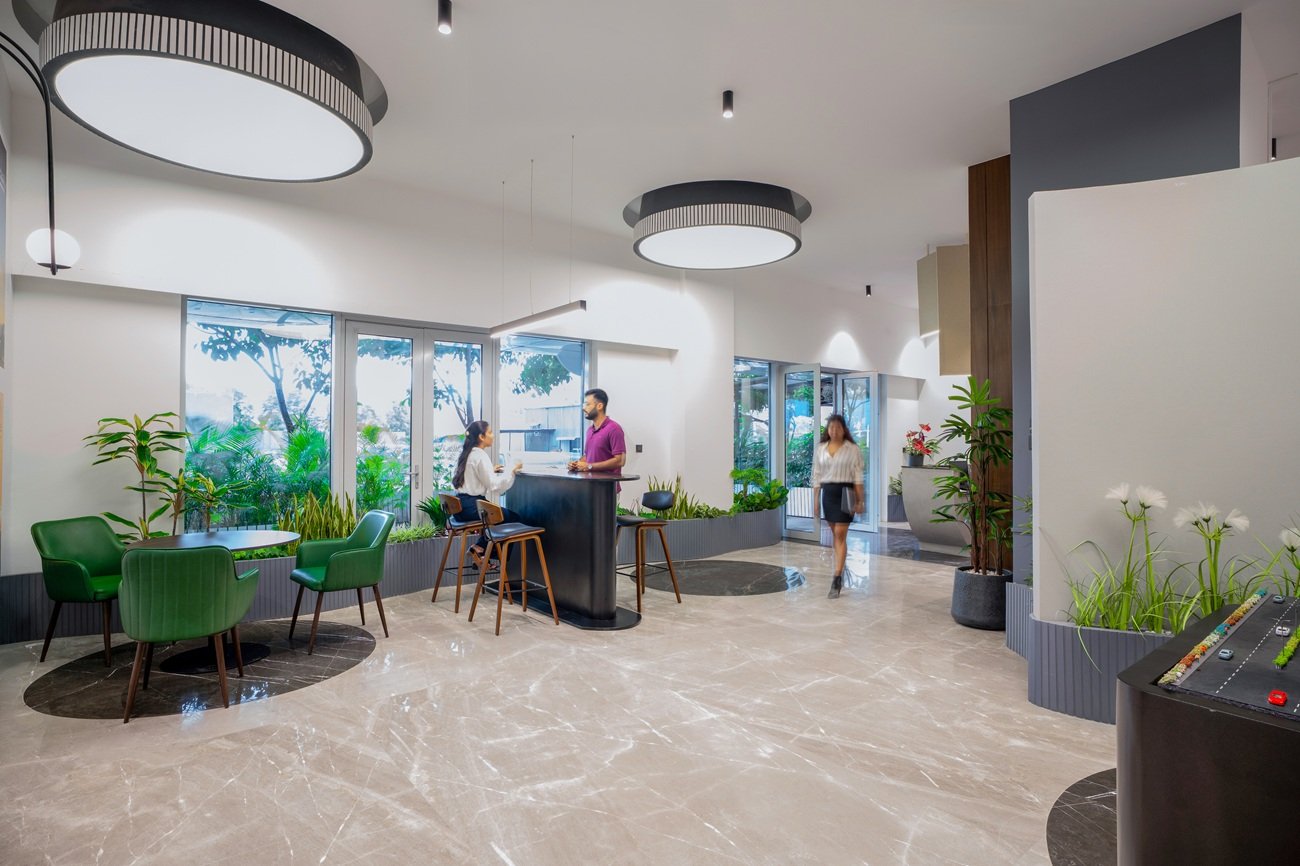
Underestimating the Impact of Details
Lighting, acoustics, circulation, and ergonomics are often treated as secondary considerations. In reality, these details determine whether a space supports wellbeing or causes friction.
Poor acoustics increase stress. Inadequate lighting affects focus. Inefficient circulation wastes time.
How to avoid it:
Design holistically. Every element from planning to finishing should be intentional and performance-driven.
Designing with Purpose
The most effective workplaces are not the most expensive or visually dramatic. They are the ones who align space with strategy, culture, and people.
At Studio AsA, we believe workplace design shapes behaviour, enables performance, and supports long-term growth.
Avoiding these common mistakes is the first step toward creating workplaces that truly work.
Explore Our Workplace Design Services