

Walk into any workplace and close your eyes for a moment.
What you hear or don’t hear shapes your experience just as much as what you see.
The hum of conversations, the ringing of phones, the whirr of HVAC systems, and the echo in a meeting room shows that sound is an invisible layer of design that directly influences how people focus, collaborate, and feel at work.
Yet, acoustics often remain one of the most overlooked aspects of workplace design.
At Studio AsA, we see acoustics as a fundamental element of workplace experience.
The Workplace Has Changed. Sound Expectations Have Too.
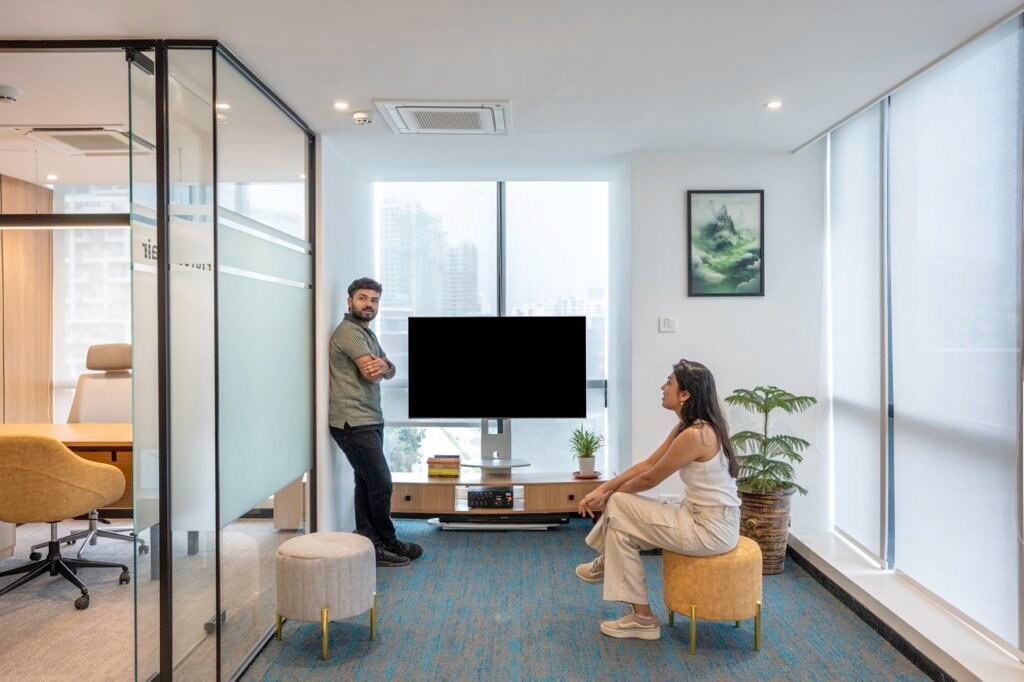
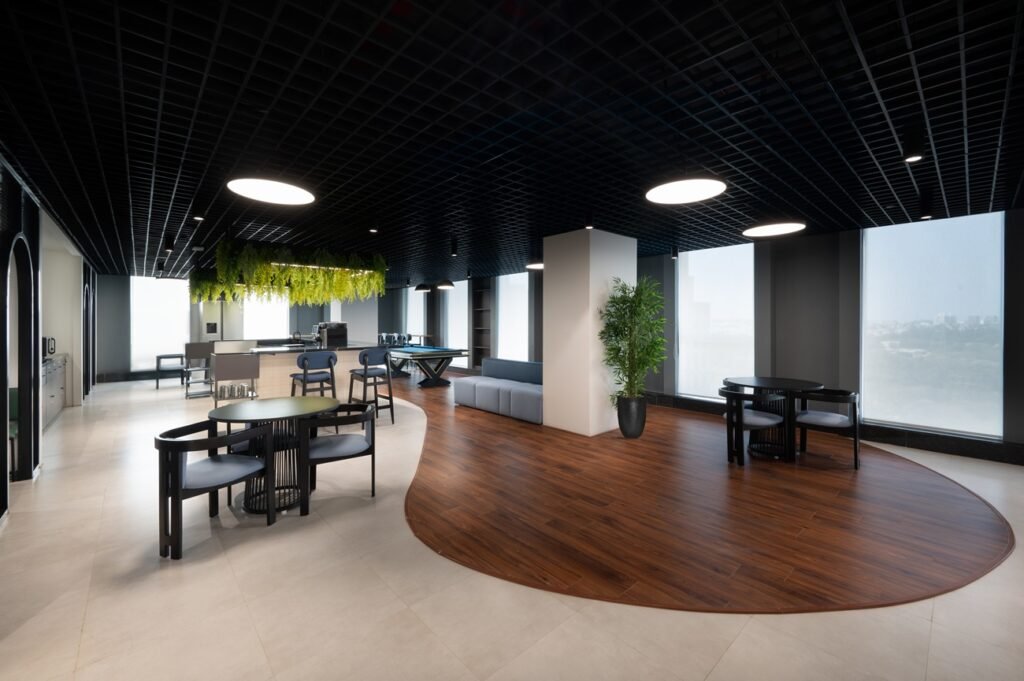
Today’s offices are no longer rows of desks and enclosed cabins. They are fluid environments with open-plan workstations, collaboration zones, quiet rooms, cafés, and hybrid meeting spaces coexisting within the same footprint.
While openness encourages transparency and interaction, it also introduces one of the biggest challenges in modern workplaces: noise distraction.
Research consistently shows that unwanted sound is among the top reasons employees struggle to concentrate in open offices. Constant interruptions don’t just break focus; they increase cognitive load, elevate stress levels, and reduce overall productivity.
In a workplace designed to support performance, sound must be intentionally shaped.
Acoustics and Cognitive Performance
The human brain is highly sensitive to sound. Unlike visual distractions, which we can often ignore, auditory interruptions are processed automatically.
Poor acoustics can lead to:
- Reduced concentration and task accuracy
- Higher fatigue levels by the end of the workday
- Increased stress and irritability
- Avoidance of collaborative spaces due to a lack of speech privacy
On the other hand, well-designed acoustic environments support deep focus, clear communication, and psychological comfort. When people don’t have to constantly filter noise, they can think better, work faster, and engage more meaningfully.
Speech Privacy: An Invisible Marker of Trust
In workplaces, sound is closely tied to trust and comfort.
Employees need to feel confident that sensitive conversations, whether client calls, HR discussions, or leadership meetings, remain private. Inadequate acoustic planning can make people hesitant to speak openly, leading to guarded communication and reduced collaboration.
Designing for speech privacy doesn’t mean isolating people. It means zoning spaces intelligently, using materials and layouts that allow conversations to happen without travelling across the floor.
Acoustics Shape Behaviour
Sound influences how spaces are used.
- Loud, echo-prone meeting rooms discourage long discussions
- Noisy breakout areas lose their purpose as informal collaboration zones
- Open offices without acoustic buffers push employees to seek refuge in corners or headphones
When acoustics are thoughtfully integrated, spaces perform as intended. Meeting rooms support clarity and engagement. Focus areas remain calm and distraction-free. Social zones feel energetic but not overwhelming.
In this way, acoustics quietly guide behaviour, reinforcing the workplace strategy embedded in the design.
Designing Acoustics Is Not About Silence
A common misconception is that good acoustics mean silence. In reality, it’s about balance.
An effective workplace has a range of soundscapes:
- Quiet zones for focused work
- Moderately active zones for collaboration
- Lively areas for social interaction
The goal is not to eliminate sound, but to control how it travels, where it belongs, and how it’s perceived.
This balance allows different work modes to coexist without competing with one another.
Integrating Acoustics into Workplace Design
Acoustic performance is achieved through a combination of design decisions, not a single solution.
It begins with:
- Space planning: Zoning noisy and quiet functions appropriately
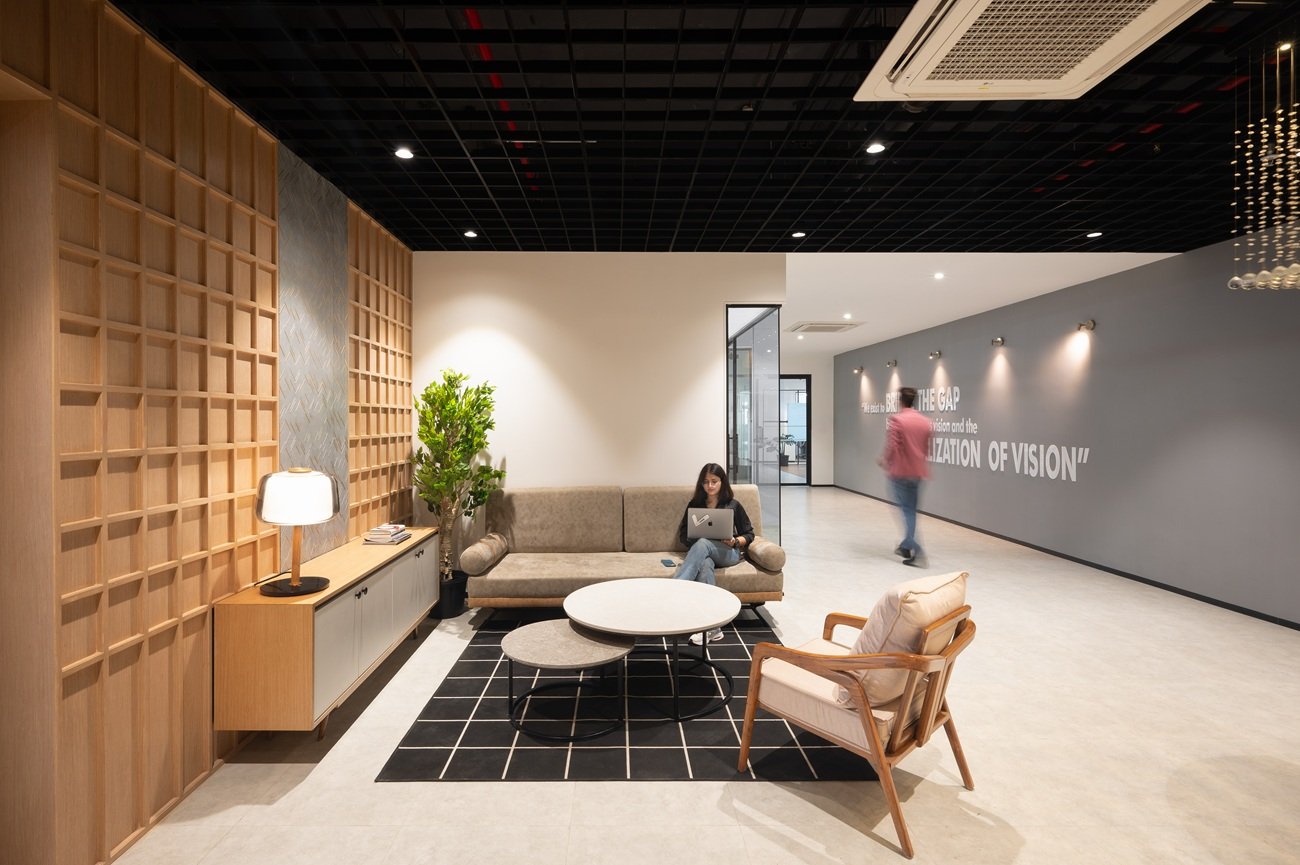
- Material selection: Using absorptive surfaces in ceilings, walls, flooring, and furniture
- Furniture systems: Incorporating acoustic panels, screens, and soft finishes
- Enclosure design: Optimising meeting rooms, phone booths, and focus pods
- Ceiling and lighting coordination: Ensuring acoustic solutions work seamlessly with services and aesthetics
When acoustics are integrated early in the design process, they enhance the spatial experience rather than compromise it.
Acoustics as a Measure of Workplace Quality
Employees may not always articulate acoustic comfort, but they feel it.
A workplace that sounds right feels calmer, more professional, and more intentional. It reduces friction in everyday work and supports both individual performance and collective culture.
In many ways, acoustics are a silent indicator of design maturity. They reflect how deeply an organisation values employee wellbeing, focus, and effective communication.
Designing for How Work Feels
At Studio AsA, we believe workplace design is not just about how spaces look, but how they perform: sensory, emotionally, and cognitively.
Read more about the impact of material choice in workplace design