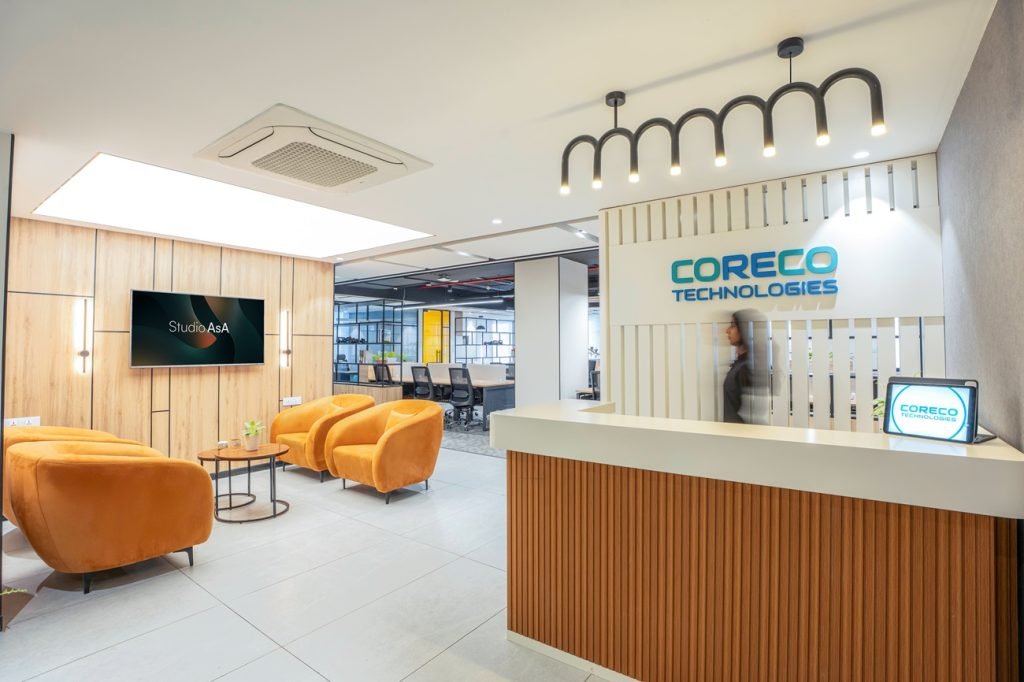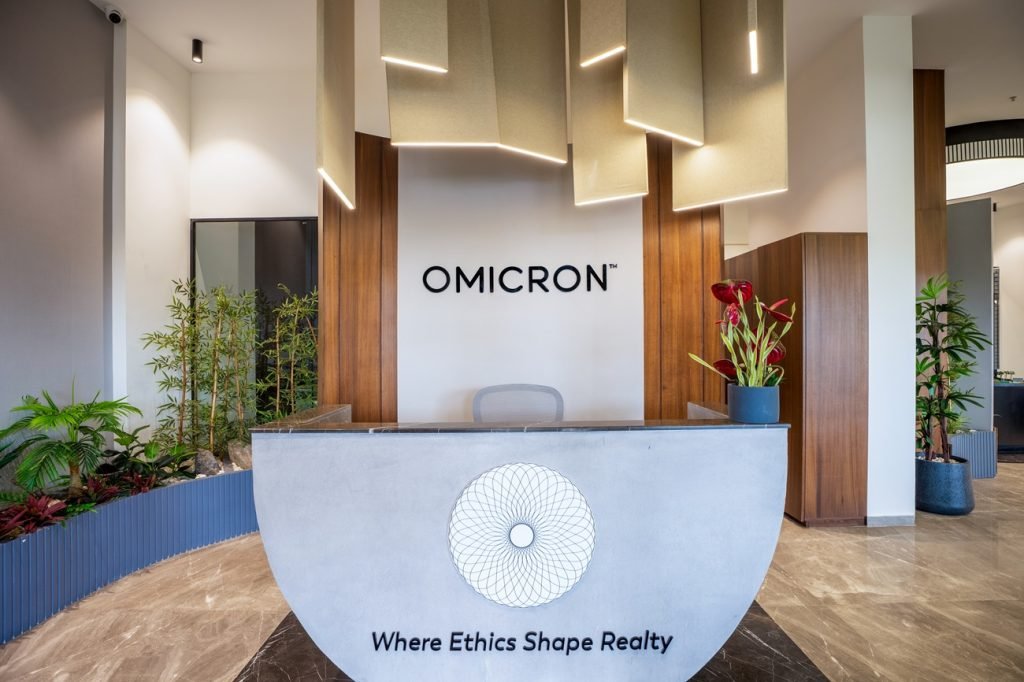


In workplace design, material choices are often discussed in terms of appearance or upfront cost. But in reality, materials quietly determine how an office performs over time, i.e., financially, operationally, and experientially. Floors wear, partitions age, acoustics degrade, and maintenance patterns reveal whether early decisions were thoughtful or reactive.
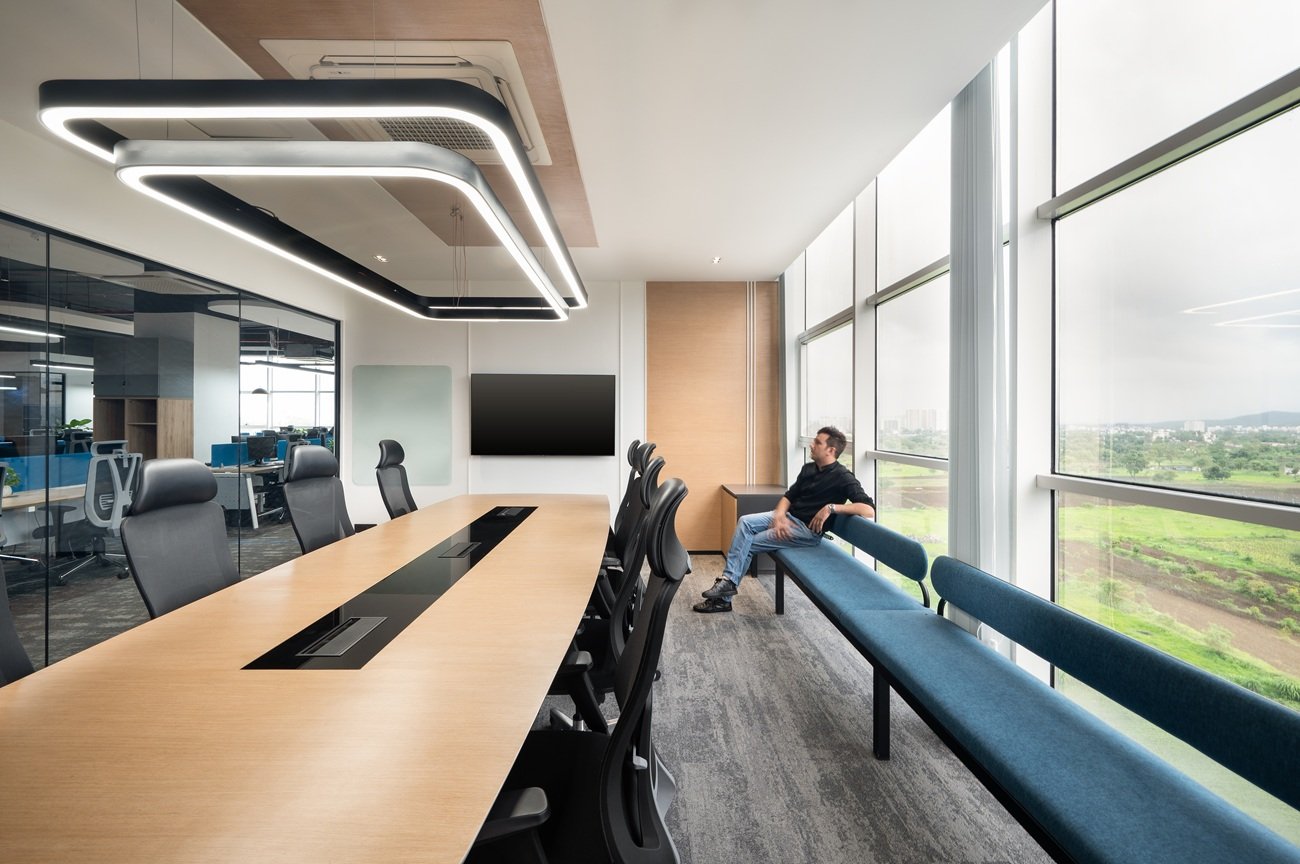
A workplace is not a one-time investment. It is a living environment that must adapt to changing teams, technologies, and work patterns. Materials form the backbone of this adaptability. When chosen well, they reduce friction, support daily operations, and protect long-term value. When chosen poorly, they become recurring expenses disguised as design decisions.
Beyond Upfront Cost Thinking
Many office projects still prioritise immediate budgets over long-term performance. Materials are selected based on catalogue pricing, visual similarity, or availability rather than lifecycle implications, which often results in frequent replacements, visible wear within months, rising maintenance costs, and compromised employee experience.
A lower-cost laminate desk that chips quickly or a floor finish that stains under daily traffic may appear economical at handover. Over a five year period, however, the cost of repairs, replacements, downtime, and disruption often exceeds the price of a more durable alternative selected upfront.
This is where the conversation must shift from initial spend to lifecycle value. The real question is not “How much does this material cost today?” but “How does this material behave over years of use?”
For a deeper understanding of this shift, explore our related insight on how material choice impacts workplace experience, which breaks down how material performance directly influences long-term returns.
Materials as Operational Infrastructure
In high-performing workplaces, materials are treated as operational infrastructure rather than surface finishes. Flooring choices impact acoustics, cleaning cycles, and employee fatigue. Wall systems affect flexibility, future reconfiguration, and privacy. Furniture materials influence ergonomics, durability, and brand perception.
When materials support movement, absorb sound, age gracefully, and allow easy upgrades, the workplace remains relevant longer. This reduces the need for disruptive renovations and allows organisations to respond to growth without major capital expenditure.
Material durability also plays a quiet role in brand trust. Clients, candidates, and employees read a space instinctively. An office that feels well-considered and resilient communicates stability, foresight, and care. One that looks tired prematurely sends the opposite message.
Sustainability as a Business Decision
Sustainable material choices are often misunderstood as premium or optional. In reality, they are increasingly tied to business resilience. Materials with longer lifespans, lower maintenance requirements, and responsible sourcing reduce operational risk and regulatory exposure.
Low-emission finishes improve indoor air quality, supporting employee wellbeing and productivity. Modular systems reduce waste during future changes. Recyclable and repairable materials protect against obsolescence. These benefits are not abstract—they influence hiring, retention, and organisational performance.
Lifecycle-focused material decisions align sustainability with business outcomes, rather than positioning it as a separate agenda.
Designing for Change
Change is the norm now, where teams expand, hybrid models evolve, and functions shift. Materials that lock organisations into fixed layouts or short replacement cycles create friction. Those that support adaptability through modularity, neutrality, and durability extend the life of the workplace.
This approach requires early alignment between design, operations, and leadership. Material strategy should be discussed alongside headcount planning, growth projections, and brand direction at the start of the design process.
The True Measure of Value
Ultimately, the success of material choices is measured not at handover, but years later. When a workplace continues to perform without constant intervention, when spaces evolve without major waste, and when the environment supports people rather than distracting them, value becomes visible.