

Transparency is no longer a corporate buzzword. It is a performance driver.
Across industries, organizations are rethinking how trust, communication, and accountability shape business outcomes. Research from leading global design firms like Gensler consistently shows that workplace environments directly influence how people collaborate, share knowledge, and align around purpose.
But transparency is not achieved through policy alone. It is designed.
If your culture values openness, your workplace must visibly support it. If your leadership encourages dialogue, your space must enable it. The question is not whether transparency matters. The question is: Does your environment make it possible?
What Transparency Really Means in the Workplace
Transparent cultures are not simply about glass walls and open offices. They are about clarity of communication, of hierarchy, of process, and of intention.
When employees can see how decisions are made, when leaders are accessible, and when teams feel psychologically safe to speak up, performance improves. Innovation accelerates.
Design can either reinforce these behaviors or quietly undermine them.
Closed executive cabins, hidden meeting rooms, and unclear spatial zoning often signal hierarchy over accessibility. In contrast, thoughtfully designed environments effectively utilize space to communicate shared ownership, visibility, and accountability.
Designing for Visibility Without Sacrificing Focus
Transparency does not mean constant exposure. It means intentional visibility.
High-performing transparent workplaces balance openness with choice. Consider:
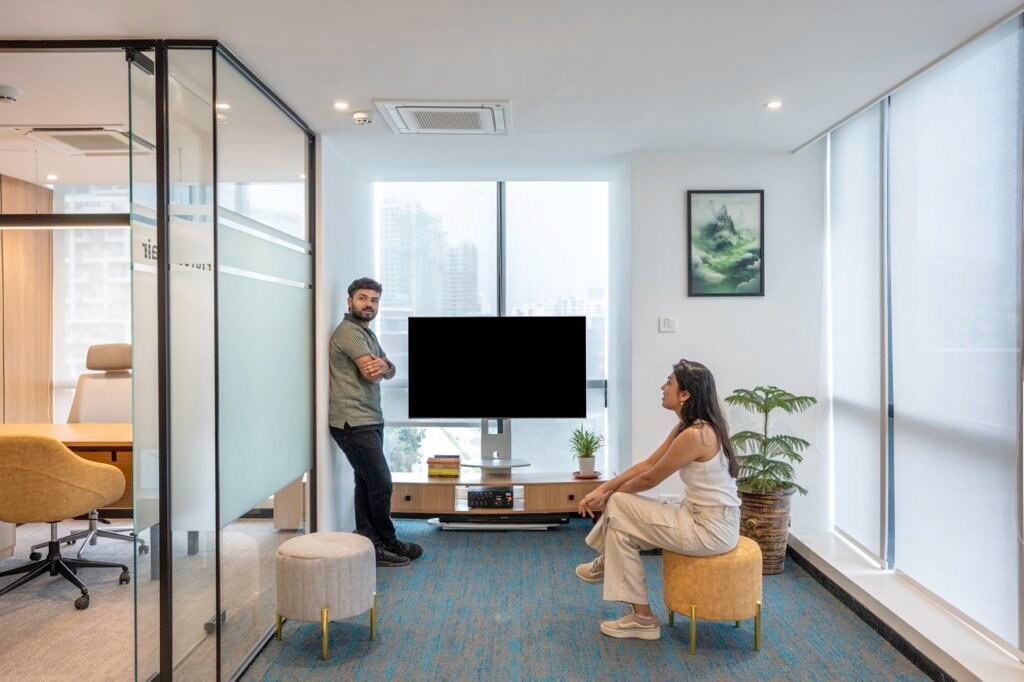
- Glass-fronted leadership spaces that communicate accessibility.
- Open collaboration zones placed centrally to encourage spontaneous interaction.
- Acoustic planning strategies that allow private conversations without visual secrecy.
- Flexible meeting rooms with switchable transparency for confidentiality when required.
This layered approach ensures that visibility fosters trust. When transparency is designed with nuance, it strengthens both collaboration and concentration.
Leadership as a Spatial Strategy
In many organizations, culture change begins with leadership behavior. Design can accelerate this shift.
When leaders sit within teams rather than apart from them, proximity reshapes dynamics. When executive areas are modest and integrated, hierarchy feels less rigid. When town halls occur in shared commons rather than formal auditoriums, dialogue becomes participatory.
Ask yourself:
- Can employees easily approach decision makers?
- Are strategic discussions visible, or hidden behind opaque doors?
- Does your layout reflect empowerment or control?
The physical environment shapes perceived power. Designing for transparency requires consciously redistributing that perception.
For insights into workplace power dynamics, read Rethinking Office Layouts and Organizational Hierarchy.
The Role of Shared Spaces in Building Trust
Transparency thrives in shared experience.
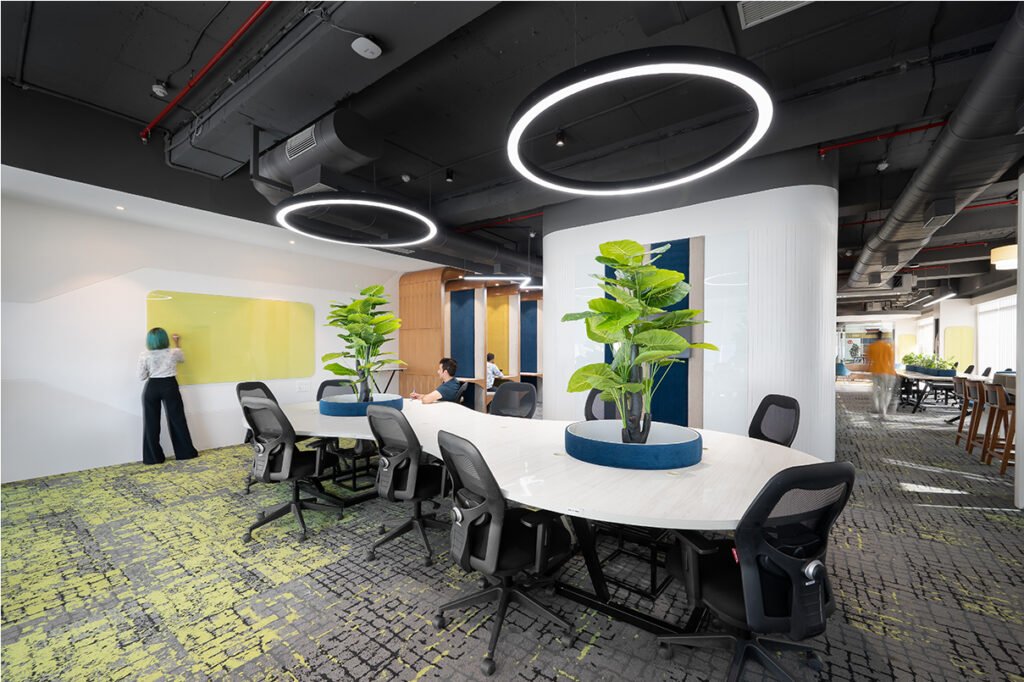
Centralized cafes, collaborative hubs, and multifunctional commons create informal intersections between departments. These chance encounters reduce information bottlenecks and encourage cross-functional dialogue.
But these spaces must be purposeful. Oversized lounges without acoustic comfort or technological integration quickly become underutilized.
Designing effective shared spaces requires:
- Clear adjacencies to active teams
- Technology-enabled collaboration
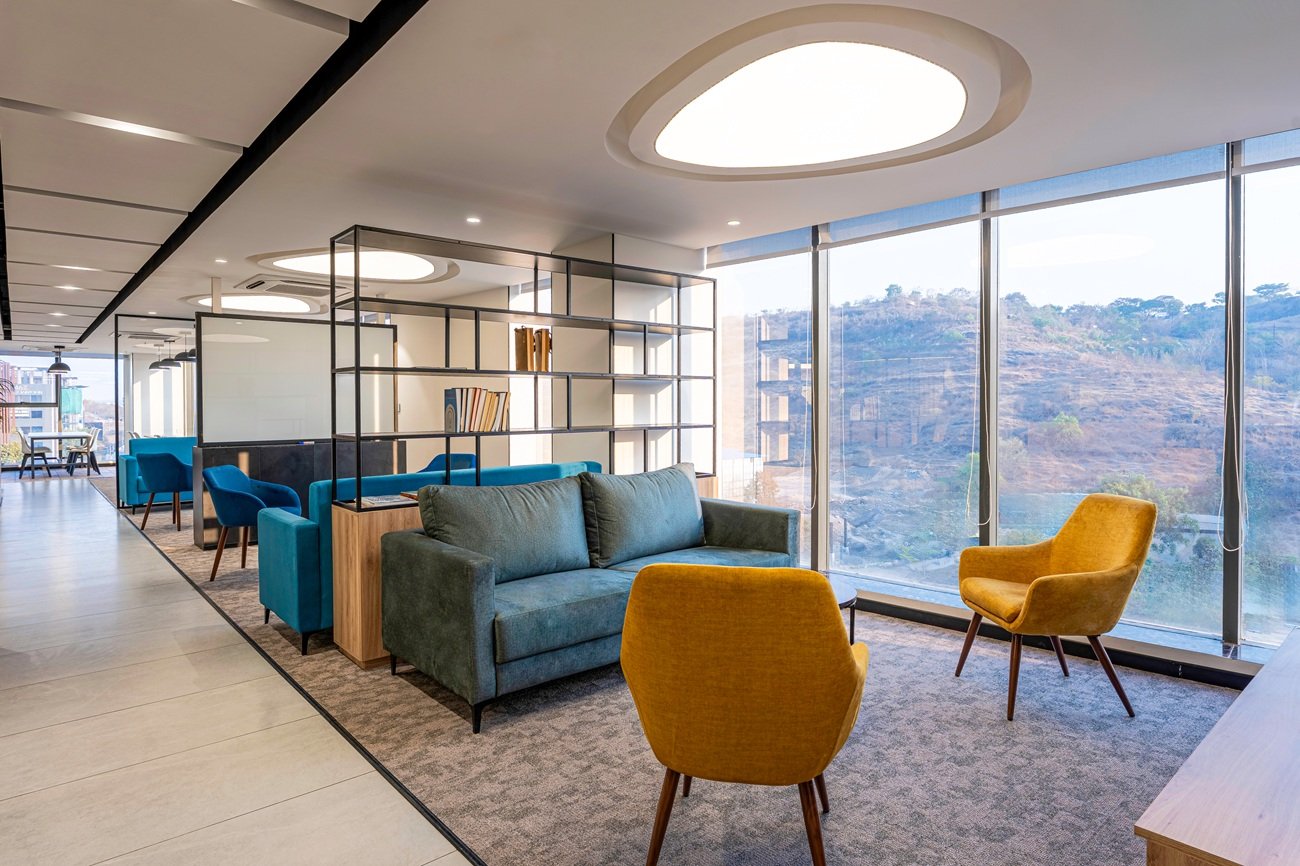
- Comfortable, human centered furniture
- Access to daylight and biophilic elements
When people feel physically comfortable, they are more likely to communicate openly.
Data-Informed Transparency
Transparent cultures measure what matters and share what they learn.
Workplace strategy should be informed by utilization studies, employee feedback, and performance data. Are meeting rooms overbooked while focus rooms remain empty? Are collaboration zones activated throughout the day?
Designing for transparency means making these insights visible. Digital dashboards in common areas, project boards that track milestones, and open-access resource libraries can embed accountability into daily operations.
The space becomes a living interface for organizational clarity.
Discover how data shapes design outcomes in our article on Workplace Strategy and Performance Metrics.
Psychological Safety as a Design Outcome
Transparency cannot exist without psychological safety. Even the most open layout fails if employees feel judged, unheard, or exposed. That is why inclusive design is critical.
Consider:
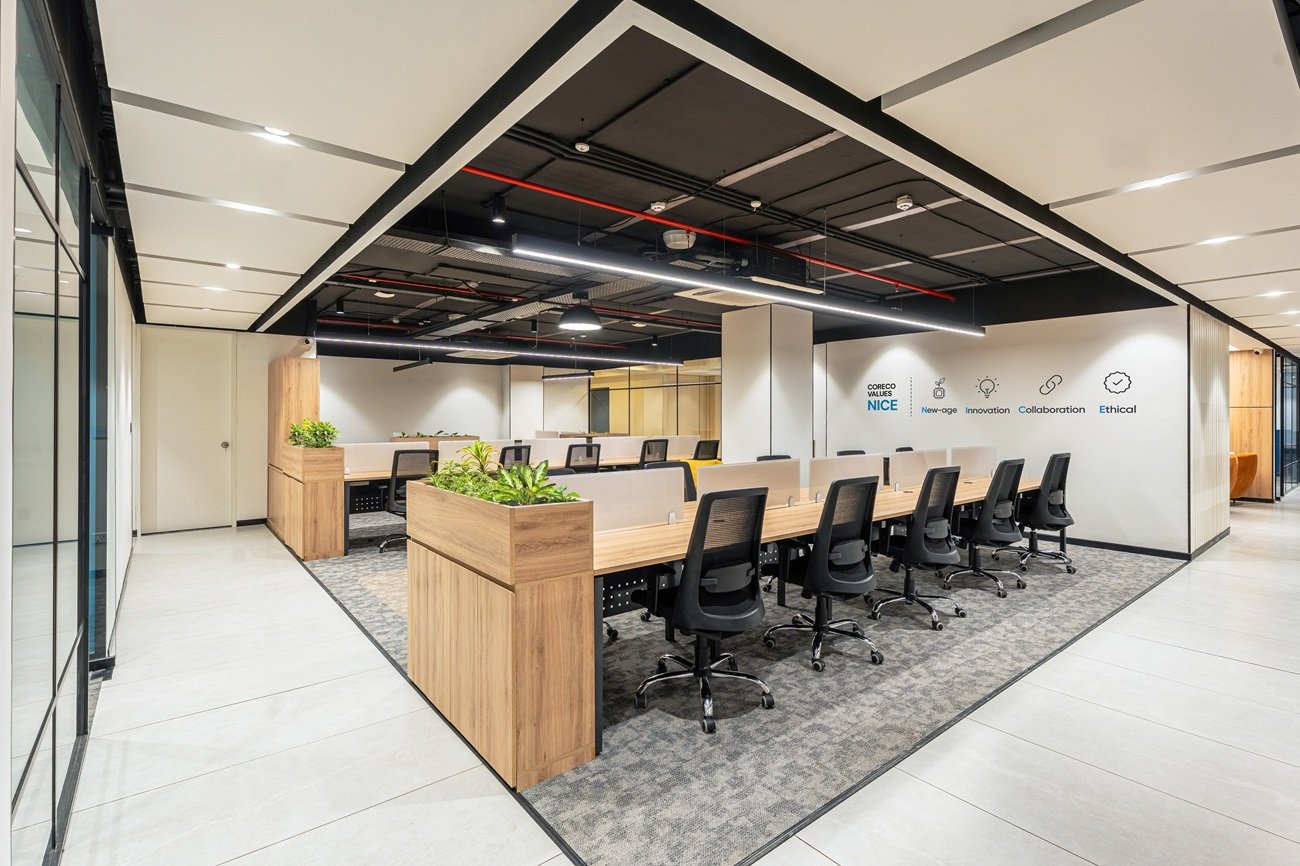
- Varied seating types to accommodate different work styles
- Quiet rooms for decompression
- Neutral zones for cross-hierarchy meetings
- Clear wayfinding that reduces anxiety
When people feel supported physically, they are more likely to contribute intellectually.
Technology as an Equalizer
In hybrid workplaces, transparency extends beyond physical walls.
Digital collaboration platforms, equitable video conferencing setups, and visible scheduling systems ensure remote employees are not excluded from conversations.
Design must integrate:
- Camera-inclusive meeting rooms
- Acoustic clarity for hybrid discussions
- Shared digital whiteboards
- Booking transparency for workspace usage
When technology is seamlessly embedded, information flows more freely.
Moving from Symbolism to Strategy
It is easy to design symbolic transparency, such as more glass, fewer walls, and open ceilings.
It is harder to design strategic transparency, such as environments that truly reshape behavior.
At Studio AsA, we believe workplace design should align space with organizational intent. Transparent cultures demand thoughtful planning, leadership alignment, and measurable outcomes.
Before redesigning your office, consider:
- What behaviors are we trying to encourage?
- Where does communication currently break down?
- How visible is decision-making?
- Does our environment reflect our stated values?
Designing the Culture You Want
Culture is often described as intangible. But in reality, it is reinforced daily by the environments we occupy. It is an active participant in shaping it.
The future belongs to organizations brave enough to align their space with their values.
Is your workplace ready to be seen? Contact us to design your next office.