

Introduction: The Shift from Spaces to Experiences
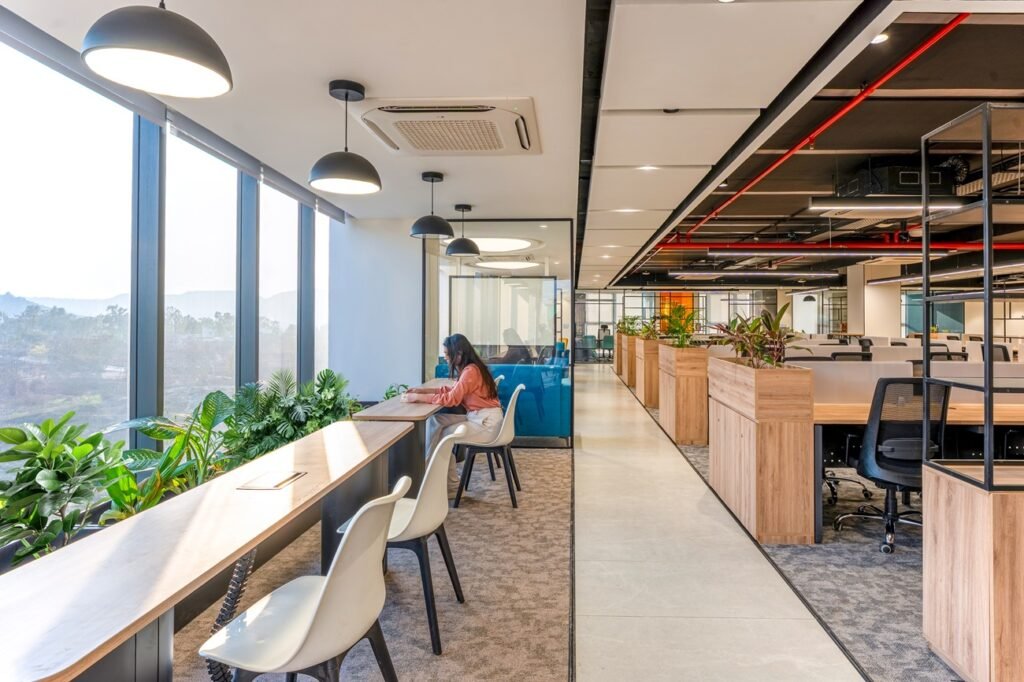
In the last decade, workplace design has evolved dramatically. Offices have become more open, more aesthetic, and more technology-driven. Yet, despite all the visual improvements, organisations continue to face challenges around employee engagement, productivity, focus, and retention.
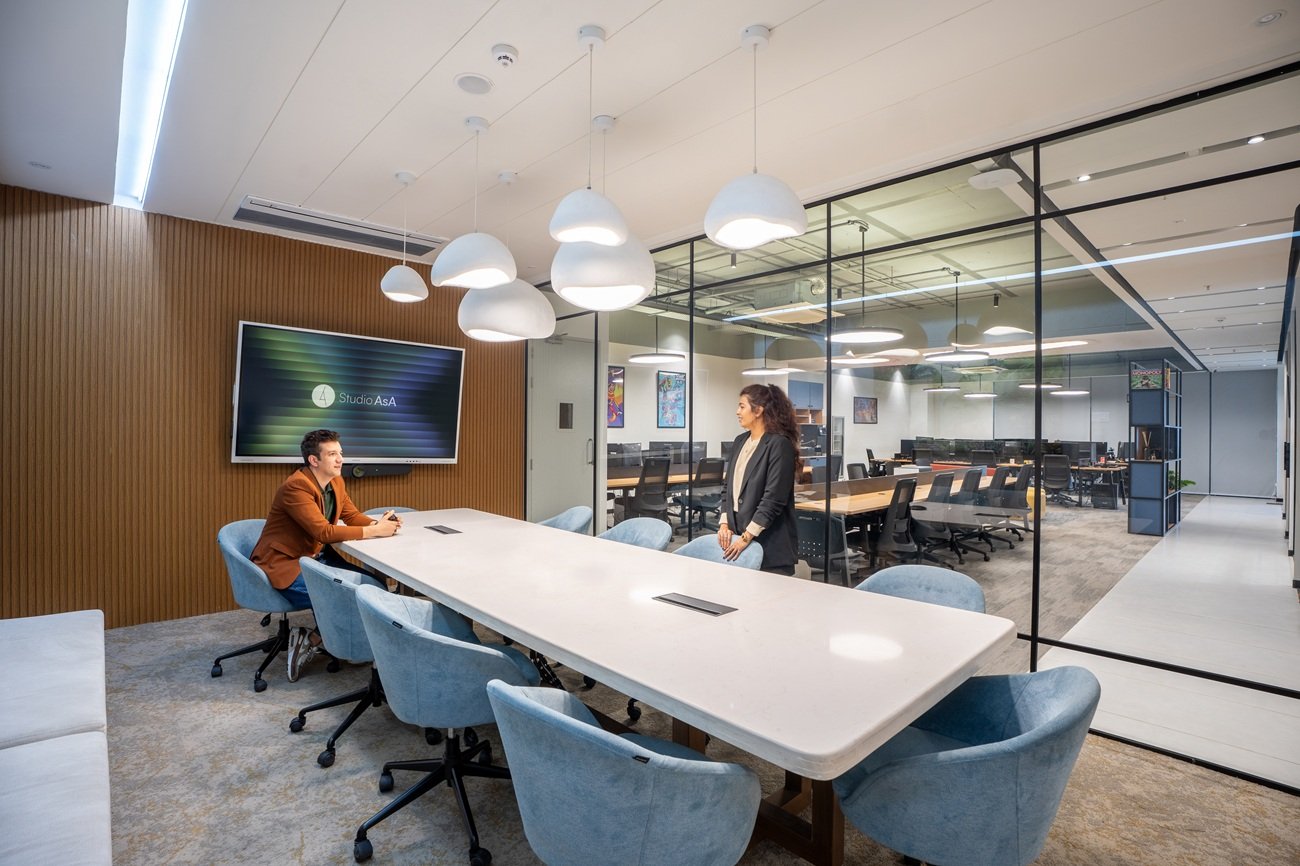
This gap exists because many workplaces are designed for form, not function.
For appearance, not experience.
A well-designed workplace can still fail if the people inside it cannot think clearly, collaborate effectively, or feel supported by the environment around them. This is why workplace experience, not design alone has become the true differentiator for modern organisations.
What Exactly Is Workplace Experience?
Workplace experience is the sum of how people feel, move, interact, focus, and perform within a workspace. It blends:
- Ergonomics
- Flow and circulation
- Acoustics and privacy
- Natural light, ventilation, and wellness
- Technology integration
- Emotional connection and cultural cues
- Day-to-day friction points
It is not a single factor. It is the lived reality of employees, hour after hour, day after day.
Why Design Alone Is No Longer Enough
Design is important. But it is only the starting point. Aesthetics cannot compensate for:
- A noisy open office
- Poorly ventilated meeting rooms
- Lack of focus zones
- Overcrowded desk clusters
- Chairs that cause fatigue
- Layouts that disrupt workflow
- Spaces that don’t reflect the company culture
A workplace can look world-class and still make people feel drained by noon.
A Harvard Business Review study showed that 70% of employee performance is influenced by their environment, and yet many organisations equate workplace improvement with visual upgrades alone. What truly matters is how the space enables work.
What Shapes a High-Performance Workplace Experience?
A high-quality workplace experience is built on four pillars:
1. Functionality
Every square foot must serve a purpose, supporting focus, collaboration, or transition. Spaces that don’t work hard eventually don’t work at all.
2. Comfort & Well-being
Ergonomics, temperature control, lighting, and movement patterns collectively influence energy levels, posture, and mental clarity.
3. Culture Alignment
Spaces should reflect how teams actually work, not how we assume they work. Understanding behaviours is crucial.
4. Seamless Technology
Tech friction is the fastest way to break flow. A successful workplace integrates technology effortlessly into the environment.
Real Impact: When Experience Outperforms Design
Across projects, we’ve seen a consistent pattern:
- Teams experience fewer distractions
- Employees report less fatigue
- Collaboration becomes more fluid
- Managers observe better performance and morale
- Organisations feel a tangible cultural shift
This happens because the space works around how people work.
The Future of Workplaces Is Experience-Led
As companies navigate hybrid models, talent expectations, and rapid growth, workplace experience will define productivity, employee happiness, team cohesion, innovation capacity, and employer brand perception
Conclusion
Workplace experience is the foundation on which high-performance organisations are built.
At Studio AsA, our commitment is simple: Design workplaces that people love to work in because they are seen, supported, and empowered by the environment around them.